How to Prep Your Patio for Winter Storage
The last thing you want is to pull your patio furniture out in April and find cracked cushions, rusty frames, and a fire pit full of rainwater. A couple hours of work in October or November can save you hundreds in replacements come spring.
Winterizing your patio is not complicated. It is mostly a matter of cleaning things properly before you store them, getting the right covers on the furniture that stays outside, and finding a dry place for the stuff that should not stay out at all.
This guide walks you through the whole process in order, from the first scrub-down to the last bungee cord. There are five products worth buying that make this a lot easier and actually work.
1.Start With a Proper Clean Before Anything Goes Into Storage
This is the step most people skip, and it is why they pull furniture out in spring that smells like mildew or has mold blooming on the fabric. If you store anything dirty, the grime and moisture lock in over winter and do damage you cannot reverse.
Wet and Forget Outdoor Ready-to-Use Cleaner is the easiest way to handle this. You spray it on, walk away, and rain does the rest. It works on cushion fabric, resin furniture, concrete pavers, and wood decking. One gallon covers a standard patio with enough left over for the driveway. It is not a pressure washer replacement for heavy grime, but for seasonal cleaning before storage it is exactly right.
Give everything a spray-down about a week before your storage day. By the time you are ready to cover and pack things up, surfaces will be clean and dry. That one step alone extends the life of your cushions and furniture by years.
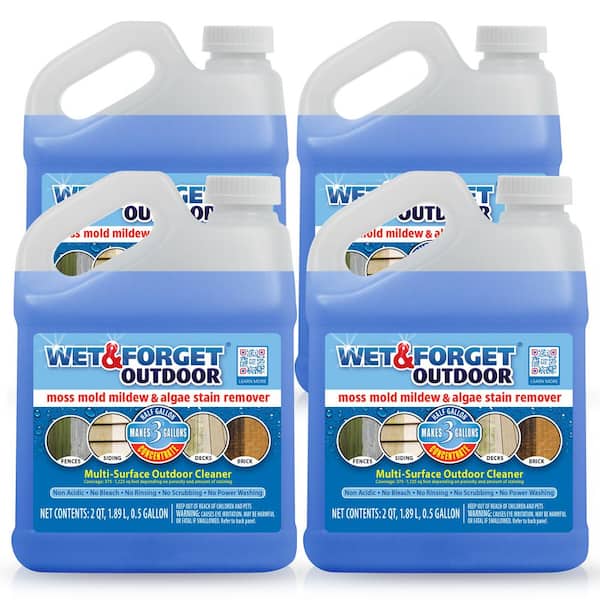
Wet & Forget 803064 Ready to Use Outdoor Cleaner, 1 Gallon
$35
8,200+ reviews
No-scrub outdoor cleaner that removes mold, mildew, and algae from furniture, cushions, and hardscaping with zero pressure washing required.
Shop on Amazon →2.Keep Your Cushions From Absorbing Winter Moisture
Patio cushions are the most vulnerable thing on your porch. Left outside under a cover, they absorb condensation all winter. Stuffed into a plastic tote, they mold. The right move is a breathable storage bag that keeps moisture out but lets air circulate.
Classic Accessories makes a 62-inch cushion storage bag that fits three to four standard chair cushions or one large chaise pad per bag. The fabric is water-resistant but not airtight, which is the key distinction. You want to keep rain and snow off the cushions without trapping humidity inside with them.
These bags work indoors or in a covered garage. If you are storing your cushions in a shed, throw in a moisture absorber packet. The bag handles about a foot of snow sitting on top of it without issue, so it can also live on a covered porch.
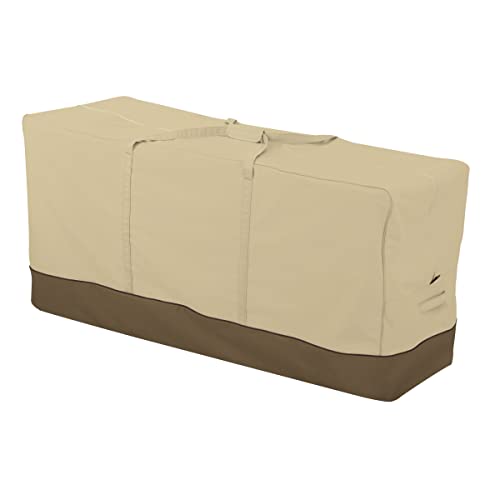
Classic Accessories 62-Inch Patio Cushion and Cover Storage Bag
$38
3,400+ reviews
Breathable, water-resistant storage bag sized for large chair cushions and chaise pads, designed specifically for off-season patio storage.
Shop on Amazon →3.Cover Your Sectional Before the First Hard Freeze
If your sectional or large patio set stays outside for the winter, a cover is not optional. Aluminum frames handle cold fine, but wicker, resin, and quality fabric all degrade faster without protection from UV rays, ice, and freeze-thaw cycles.
Classic Accessories Ravenna Patio Sectional Covers are sized specifically for L-shaped and curved sectionals, which is a real problem with generic covers that lift off in the wind or leave one end exposed. The Ravenna uses click-close straps and a drawstring hem that holds down in 30 mph gusts. The material is laminated polyester that sheds water without trapping condensation underneath.
These fit sectionals up to about 124 inches long. If you have a smaller loveseat or standard sofa, Classic Accessories makes the same cover in multiple sizes. Getting the right fit matters more than most people realize. A loose cover flaps and causes abrasion damage all winter long.
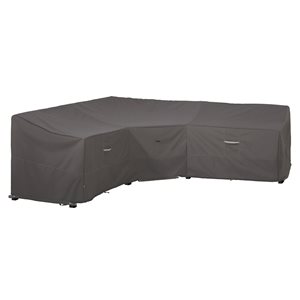
Classic Accessories Ravenna Patio Sectional Furniture Cover
$79
2,100+ reviews
Fitted, wind-resistant cover for large L-shaped and curved sectionals with click-close straps and a laminated polyester shell that won't trap moisture.
Shop on Amazon →4.Don't Leave Your Fire Pit Uncovered All Winter
A fire pit sitting exposed all winter collects water, which rusts out the bowl and corrodes the grate. Even fire pits marketed as weather-resistant rust faster if standing water sits inside them for four months. A $30 cover fixes this completely.
Budge All Seasons Round Fire Pit Covers are among the best-reviewed options in this category and priced to just buy it and be done. The material is a triple-layer polypropylene that sheds snow and repels UV fading, and the elastic hem keeps it from blowing off. It fits round fire pits from 30 to 52 inches in diameter depending on which size you order.
Before you put the cover on, empty out any ash and debris, let the bowl fully dry, and give the interior a quick spray with a rust-inhibiting oil if you have one on hand. Then cover it and forget it until April.
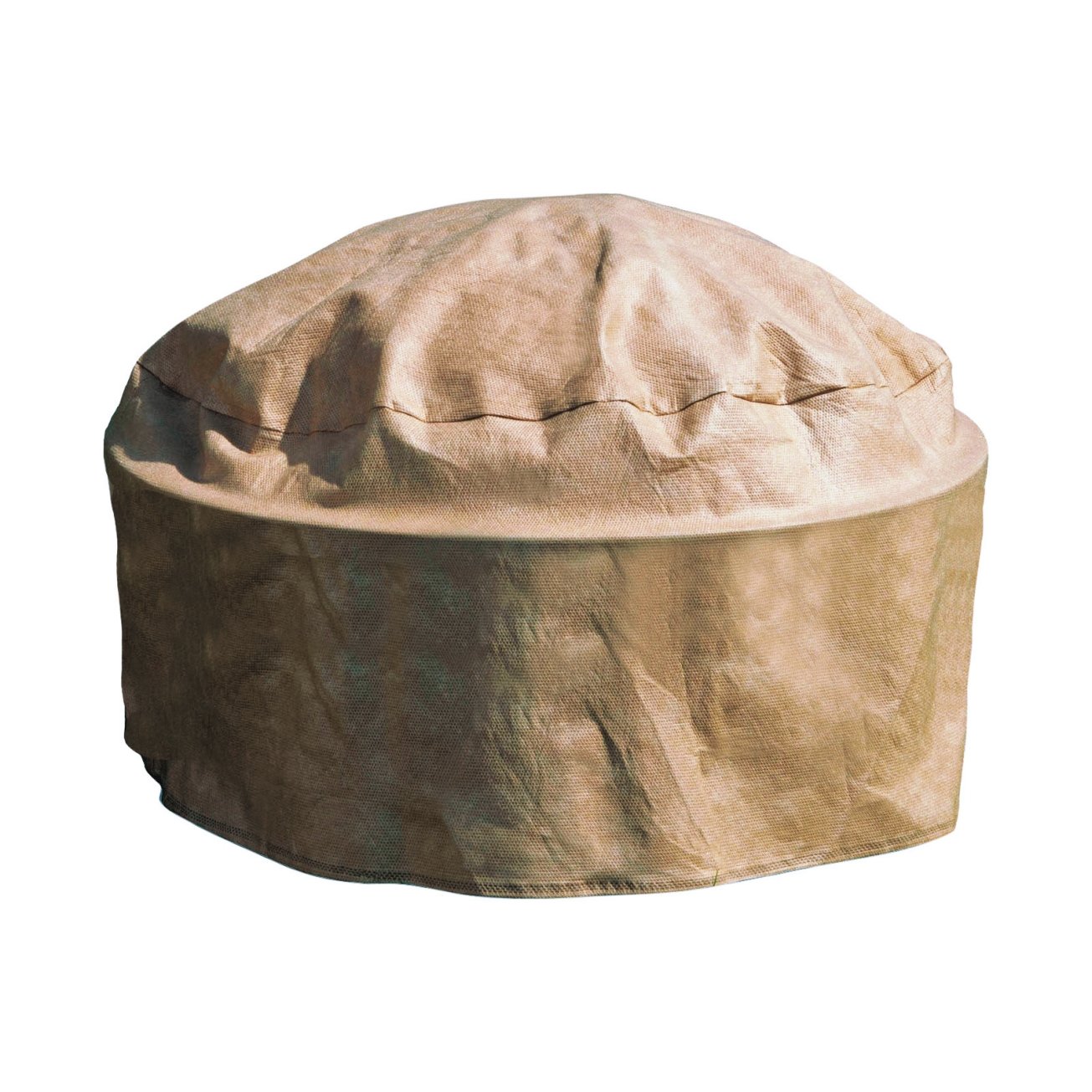
Budge All Seasons Round Fire Pit Cover
$32
5,600+ reviews
Triple-layer polypropylene fire pit cover with elastic hem that fits round pits from 30 to 52 inches and handles heavy snow without cracking.
Shop on Amazon →5.A Deck Box That Holds Everything Left Over
After your cushions are bagged and your furniture is covered, you still have a pile of things that need to go somewhere. Throw pillows, small planters, lanterns, grilling accessories, rolled outdoor rugs, garden tools. A deck box keeps all of it dry and off the ground.
The Keter Solana 70 Gallon Storage Seat Bench does two things well. It holds more than it looks like from the outside, and the lid is rated for seating so it doesn't become a hazard sitting on your porch all winter. The resin construction handles freeze-thaw cycles without cracking, which is a real failure point on cheaper plastic bins.
Seventy gallons is enough for two rolled rugs, a set of throw pillows, and a collection of lanterns and small accessories. If your patio is on the smaller side, this is actually a better choice than a full-size deck box. It fits in a corner, holds plenty, and you can use it as extra seating when spring rolls around again.
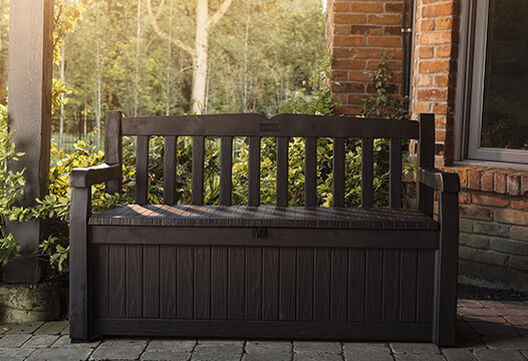
Keter Solana 70 Gallon Storage Seat Bench
$119
4,800+ reviews
Resin outdoor storage bench with 70-gallon capacity that doubles as seating and handles winter freeze-thaw cycles without cracking.
Shop on Amazon →Quick Tips for Winterizing Your Patio
Drain everything that holds water. Fountains, bird baths, and ceramic planters will crack if water freezes inside them. Drain them fully and store them indoors or in a shed before your first hard freeze.
Store propane tanks outside, not in your garage. Propane tanks should never go indoors for winter storage. Leave them outside upright, away from heat sources, in a well-ventilated area.
Bring cushions inside if you have any space at all. Even with a cover and a storage bag, cushions last longer stored indoors. A garage corner or a basement shelf makes a real difference in fabric longevity over multiple winters.
Label your covers before you put them on. A strip of masking tape and a marker on the inside of each cover saves you 20 minutes of frustration in spring when you cannot remember which cover fits which piece.
Test your string lights before coiling them up. If a strand is already half-dead going into winter, it will be fully dead by spring. Test them now, note which ones need replacing, and coil the good ones in a labeled zip bag.
Don't forget the grill cover. A grill sitting uncovered all winter develops surface rust and attracts pests looking for grease residue. Cover it and stuff steel wool into any ventilation gaps if rodents are a problem in your area.
You Might Also Love
Frequently Asked Questions
When should I start winterizing my patio?
Plan to do it before your first hard freeze, which usually means late October to mid-November depending on your region. The cleaning step should happen a week or two before you actually cover and store things, so factor that into your timeline.
Can I leave patio furniture outside all winter with just a cover?
Aluminum and steel frames handle it fine with a proper fitted cover. Wicker and wood benefit more from being moved to a garage or shed if that's possible. Cushions should always come inside or go into a breathable storage bag at minimum.
Do I need to do anything special with a propane fire pit table for winter?
Disconnect and remove the propane tank and store it outside upright. Clean any debris from the burner tray. Put a cover on the table that extends down to the ground so wind cannot get underneath it and cause flapping damage all season.
What's the best way to store outdoor rugs over winter?
Clean and fully dry the rug first, then roll it tightly and store it upright in a dry location. Flat storage in a damp area leads to mildew. A deck box or a dry corner of the garage works well.
How do I prevent mold on patio cushions in storage?
Clean them before storing, let them dry completely, and use a breathable bag rather than an airtight bin. Airtight containers trap any remaining moisture and create exactly the conditions mold needs to take hold over a long winter.