How to Extend Your Outdoor Season Into Winter
Most patios get abandoned around October. It doesn't have to go that way. With the right setup, you can push your outdoor season well into November and December, even in genuinely cold climates.
The key is layering. One patio heater alone won't cut it when temperatures drop into the 40s. You need a combination of radiant heat, wind blocking, and materials that don't trap cold the way metal chairs do.
This guide walks through exactly what to add, in order of impact. Start with the heating situation, then work outward to furniture, rugs, and the details that make a cold night feel intentional rather than stubborn.
1.Best Propane Patio Heater for Large Open Spaces
If your patio is larger than 10x10 feet, a tabletop heater is not going to do it. You need a full-height commercial-style propane heater that throws heat across a wide radius. The AZ Patio Heaters HLDS01-WCBT puts out 46,000 BTU and covers up to 15 feet in diameter, which means it can keep a table of six to eight people warm without everyone crowding a single point source.
This is the kind of heater you see on restaurant patios, and for good reason. It ignites reliably in cold weather, the reflector dome angles heat downward instead of straight up, and the hammered bronze finish looks good once the sun goes down. It runs on a standard 20-pound propane tank, which gives you about 10 hours at medium output. Position it toward the windward side of your seating area and it makes a real difference down to around 35 degrees.
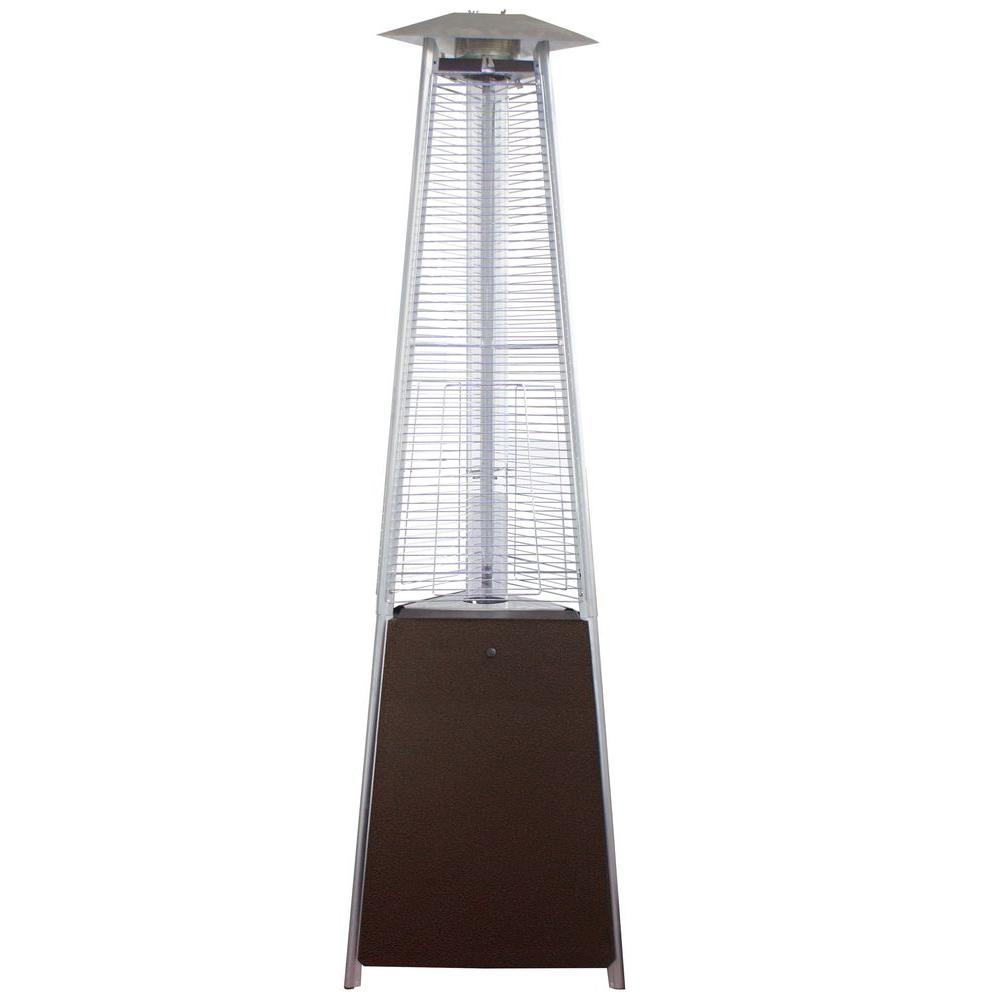
AZ Patio Heaters HLDS01-WCBT 46,000 BTU Commercial Patio Heater
$159
6,800+ reviews
A restaurant-grade propane heater that covers up to 15 feet in diameter, with reliable cold-weather ignition and a heat-directing reflector dome.
Shop on Amazon →2.Best Electric Heater for Covered Patios and Pergolas
If your patio has a pergola cover, overhead structure, or any kind of roof, a wall-mount infrared heater is more efficient than propane. Dr. Infrared Heater's DR-238 mounts flush to any vertical surface and heats the people and objects in front of it rather than warming the air. That distinction matters the moment any breeze comes through.
The DR-238 runs on a standard 120V outlet, outputs 1,500 watts, and includes a remote so you can dial heat up or down without getting up. It reaches full output in about 30 seconds. On a 12x14 covered porch with one wall open, it keeps things comfortable down into the low 40s. Mount it high and angle it toward your seating. Unlike propane, there's no tank to track and no open flame to manage near fabric or wood.
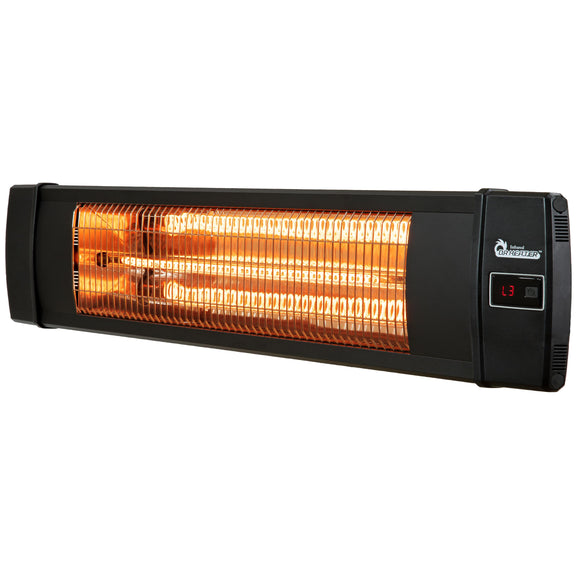
Dr. Infrared Heater DR-238 Carbon Infrared Heater
$179
3,400+ reviews
A flush-mount wall infrared heater that delivers 1,500 watts instantly, with remote control and consistent output regardless of outdoor temperature.
Shop on Amazon →3.Best Fire Pit Table for Cold-Night Gatherings
A patio heater keeps you warm. A fire pit table gives everyone a reason to stay outside. There's a social quality to gathering around a live flame that a heater pointed at your back can't replicate. The Dyna-Glo DGF516SBP-D is a 52-inch propane fire table with a 40,000 BTU burner, a tempered glass wind guard, and a concrete-look tabletop that holds up through freezing temperatures without cracking.
At 52 inches across, this table seats four to six people comfortably, and the wide surface leaves room for drinks and a board of snacks along the edges while the fire runs down the center. The propane line connects below the tabletop, so there's no visible hose cutting across your setup. In colder months, run it for heat and ambiance together, or snap the included cover on when it's not in use. Paired with your propane patio heater, this combo handles serious cold-weather entertaining.
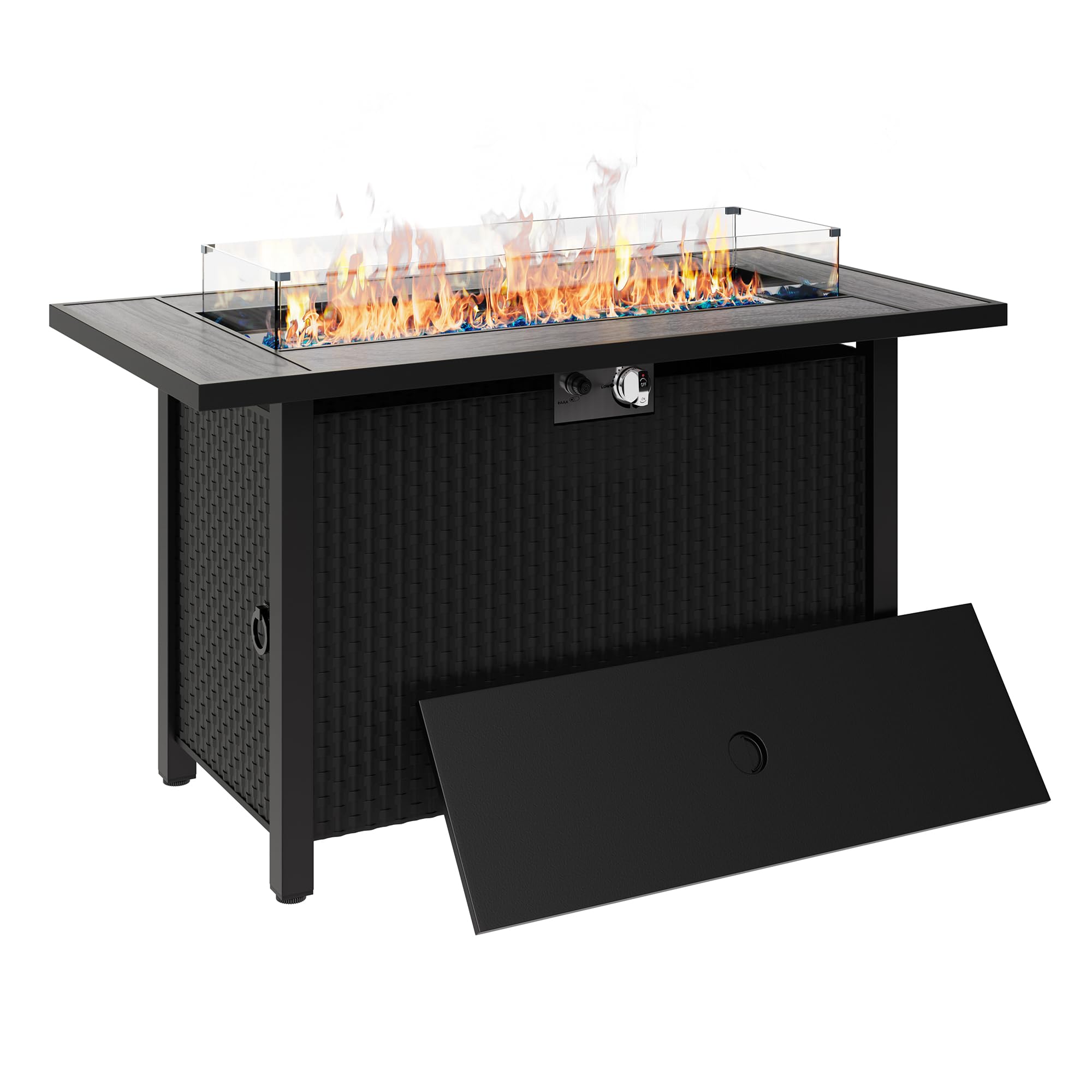
Dyna-Glo DGF516SBP-D 52-Inch Banded Propane Fire Pit Table
$379
2,100+ reviews
A 52-inch propane fire table with a 40,000 BTU burner, tempered glass wind guard, and a concrete-look finish built for year-round outdoor use.
Shop on Amazon →4.Best All-Weather Seating That Won't Feel Like Sitting on Ice
Metal chairs get brutally cold by October. Wicker frames can crack with freeze-thaw cycles. Highwood USA's Hamilton conversation set is made from high-density polyethylene lumber that doesn't conduct cold the way metal does, doesn't absorb moisture, and doesn't need to go into storage for winter. The 5-piece set includes a loveseat, two lounge chairs, a coffee table, and an ottoman, and fits cleanly on a 14x16 foot patio.
The chairs have a slight flex to them, unlike rigid metal or wood, which makes a real difference when you're sitting outside for two or three hours on a cold night. Highwood backs this furniture with a 12-year residential warranty. It costs more than resin wicker, but you won't be replacing cushions every other season or dragging pieces to the garage every November. These stay out through winter and look the same in spring.
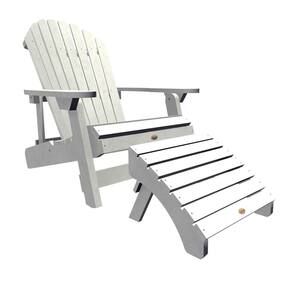
Highwood Hamilton 5-Piece Outdoor Conversation Set
$1,249
980+ reviews
All-weather poly lumber conversation furniture that stays warm to the touch in cold weather and never needs winterizing or storage.
Shop on Amazon →5.Best Outdoor Rug for Grounding a Cold-Weather Patio
A bare concrete or wood deck feels cold underfoot even when the air has warmed up. An outdoor rug anchors the seating area and adds a warmer surface layer that matters more than people expect. The nuLOOM Zinnia is a polypropylene flatweave that drains quickly, resists mold, and holds up through multiple winters without fading or unraveling at the edges. A 5x8 fits most conversation set footprints, and the 8x10 works under a larger dining setup.
Cold-weather use is where flatweave rugs pull ahead of thicker pile options. They don't trap moisture overnight, so after a frost or cold rain, they're ready to use again within an hour in any direct light. The Zinnia pattern reads as intentional rather than just practical, which matters when you're trying to make a cold patio feel like an actual room rather than an afterthought. Lay one under your fire pit table setup and the whole space pulls together immediately.
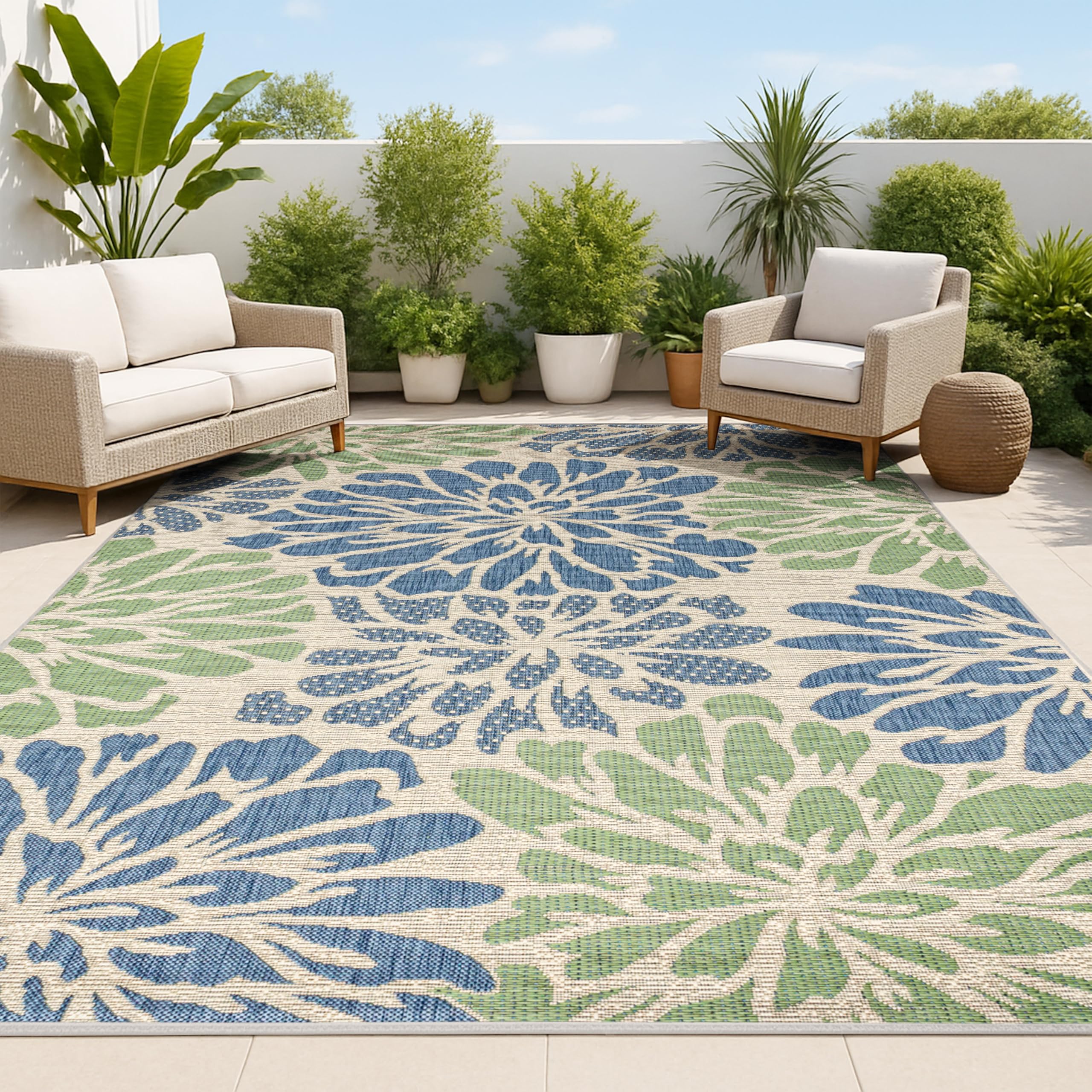
nuLOOM Zinnia Indoor/Outdoor Area Rug
$68
14,200+ reviews
A fast-drying polypropylene flatweave rug that resists mold, handles frost and freeze-thaw cycles, and comes in sizes up to 9x12.
Shop on Amazon →6.Best Wind Screen for Open Patios and Exposed Decks
Wind is the biggest enemy of outdoor heating. A 40-degree night with no wind is manageable. The same temperature with a 15 mph breeze cancels out most of what your heater is doing. COOLAROO's breathable HDPE privacy screen blocks around 90 percent of wind while still allowing some air movement, which prevents the fabric from billowing and tearing. It comes in panels up to 6 feet tall in multiple widths, and you can zip-tie or cable-tie it to a fence, pergola post, or freestanding frame.
The material is UV-stabilized and rated for year-round outdoor use. It won't trap moisture or mildew the way solid panels can, and it's lightweight enough to reposition as your layout changes. For an open deck or exposed patio, run a section along the prevailing wind direction and you'll notice the difference in how long your heater's heat actually holds around the seating area. It's also easy to take down and store flat if you want a fully open patio in summer.
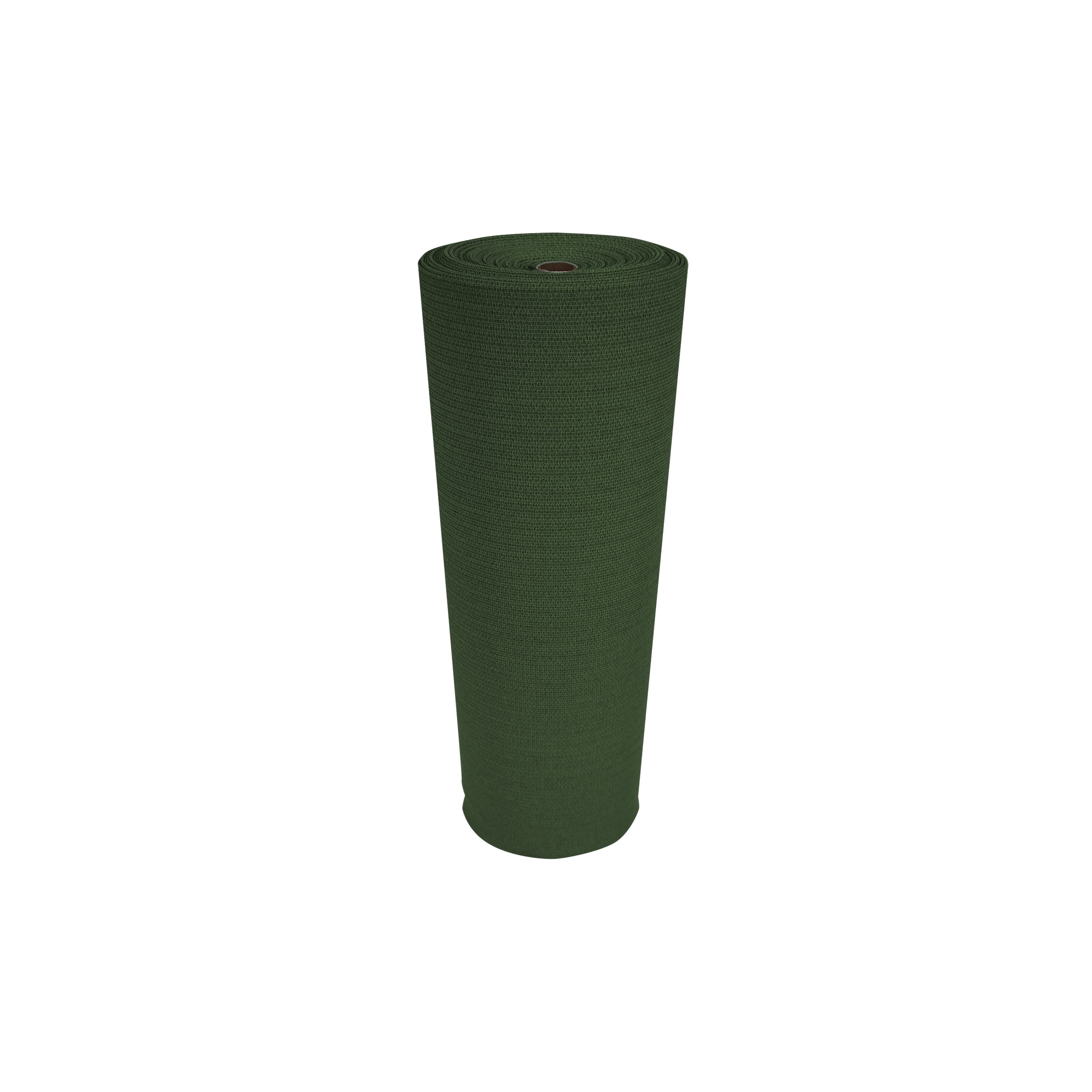
Coolaroo 90% UV Block Breathable Outdoor Privacy Screen
$49
5,300+ reviews
A breathable HDPE fabric screen that blocks 90% of wind, mounts to any frame or fence, and stays mold-free through cold, wet seasons.
Shop on Amazon →Quick Tips for Cold-Weather Patio Setups
Layer your heat sources. A propane floor heater handles overhead warmth while a fire pit table creates the social focal point. Using both means you're not depending on a single source when it gets genuinely cold.
Block wind before adding more heaters. A second heater rarely helps as much as a windscreen does. Even outdoor curtains tied to pergola posts can make a perceived 10-degree difference in comfort.
Store cushions, not furniture. Poly lumber and powder-coated aluminum can stay outside year-round. If you have quality pieces, only the cushions need to come inside during extended snow or heavy rain.
Keep a spare propane tank on hand. Cold temperatures reduce propane pressure and output. A spare 20-pound tank prevents a dead heater from cutting a night short, and tanks are cheap insurance.
Preheat before guests arrive. Run your heaters for 20 to 30 minutes before anyone sits down. A prewarmed space feels completely different from one people are waiting around in while the heat catches up.
Add a hot drink station near the seating area. A small cart with a thermos or insulated carafe keeps people outside longer than almost any gear upgrade. Warm hands change the whole experience.
You Might Also Love
Frequently Asked Questions
How cold is too cold to use a patio heater outside?
Most propane heaters work effectively down to around 32 degrees Fahrenheit. Below that, propane pressure drops and output decreases noticeably. Electric infrared heaters maintain consistent output regardless of temperature, which makes them a better choice for very cold climates.
Can a fire pit table replace a patio heater in winter?
A fire pit table adds real warmth and ambiance but works best as a complement to a dedicated heater, not a replacement. A 40,000 BTU fire table provides meaningful radiant heat within about 3 to 4 feet. Beyond that range, a floor heater needs to carry the load.
What outdoor furniture material works best in cold weather?
High-density polyethylene poly lumber is the best option. It doesn't conduct cold the way metal does, won't absorb moisture like teak or cedar, and requires no winterizing. Powder-coated aluminum is a good second choice for its light weight and rust resistance.
Do outdoor rugs hold up through frost and freezing temperatures?
Polypropylene flatweave rugs handle winter well. They drain fast, resist mold, and don't break down in freeze-thaw cycles. Avoid thick pile rugs outdoors in winter. They hold moisture underneath and can develop mildew you can't see until spring.
How do I block wind on an open patio without building a permanent wall?
A breathable HDPE privacy screen like COOLAROO blocks up to 90% of wind and attaches to any existing structure with zip ties or cable ties. Positioning it along the prevailing wind direction gives you most of the benefit without a permanent installation or building permits.