Infrared vs. Gas Grill: Which Should You Buy?
If you've been shopping for a new grill this season, you've probably seen infrared models sitting next to traditional gas grills at twice the price. The question isn't which looks better on paper. It's which one actually fits the way you cook.
Infrared grills use radiant heat instead of convection. The burner heats a ceramic or perforated metal plate, which then radiates intense, even heat directly onto your food. Traditional gas grills push hot air up through the grates, which works well but can create hot and cold zones depending on burner placement.
Both technologies have real advantages. Infrared grills sear better and tend to use less fuel. Traditional gas grills give you more flexibility for indirect cooking, low-temperature holds, and long cooks. Here are two strong picks from each camp to help you make the call.
Best Budget Infrared Grill for Everyday Backyard Cooking
The Char-Broil TRU-Infrared 3-Burner is the most practical entry point into infrared grilling. It runs on propane, fits on a standard 6x4 patio space, and gives you 450 square inches of cooking area. That's enough real estate to handle burgers and dogs for eight people at the same time without crowding the grates.
The TRU-Infrared system uses a perforated emitter plate above the burners that spreads heat evenly across the entire surface. Fat drips onto the plate instead of hitting the burner directly, which cuts down on flare-ups significantly. For chicken thighs, pork chops, and anything with a skin-on exterior that you want to render without burning, the consistency here beats standard gas grills in this price range.
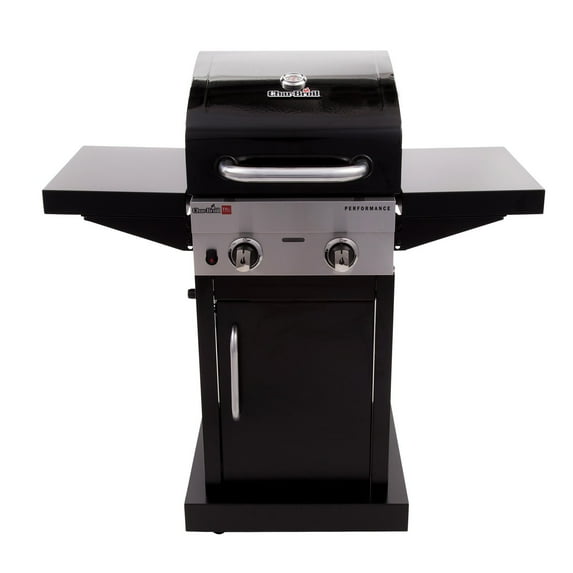
Char-Broil Performance Series TRU-Infrared 3-Burner Gas Grill
$349
4,800+ reviews
The most accessible infrared grill on the market, with even heat distribution and fewer flare-ups than any comparably priced standard gas grill.
Shop on Amazon →Best Premium Infrared Grill for Steakhouse-Quality Sears
The TEC Cherokee FR Series runs around $1,299 and earns that price if searing is your priority. TEC has been building infrared grills since the 1960s, and the Cherokee reaches surface temperatures up to 900 degrees Fahrenheit after about five minutes of preheating. That's the kind of heat that locks in a proper crust on a ribeye without drying out the interior.
On a 10x12 deck or larger, this grill anchors an outdoor cooking setup the way a range anchors a kitchen. The sealed infrared system uses roughly 30 percent less propane than a comparable traditional burner setup, which adds up noticeably over a full grilling season. For a household that grills four or more times a week, the fuel savings offset a portion of the upfront cost over time.
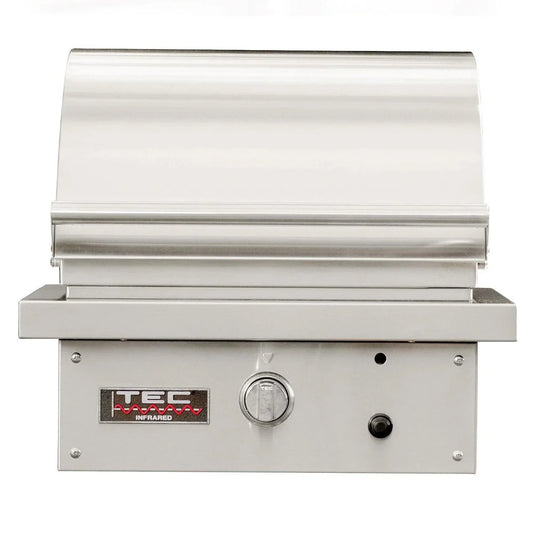
TEC Grills Cherokee FR Series 26-Inch Freestanding Infrared Gas Grill
$1,299
1,100+ reviews
Restaurant-level radiant heat in a residential backyard grill, hitting 900 degrees for competition-quality sears while burning less fuel than traditional burners.
Shop on Amazon →Best Traditional Gas Grill for All-Around Backyard Cooking
The Weber Genesis E-325s has been the standard comparison for every other gas grill in this price range for years, and the 2026 version still holds that position. Three burners with 39,000 BTUs, 669 square inches of total cooking space including the warming rack, and a layout that handles everything from a five-minute weeknight steak to a two-hour indirect chicken without drama.
The center burner on the E-325s is positioned as a dedicated sear zone, giving you more control over heat distribution than a standard three-burner layout where everything runs at the same intensity. For families of four to six people on a 10x14 or larger patio, this grill is about the right size and power. You're paying for Weber's build quality and the fact that every replacement part is still available ten years from now.
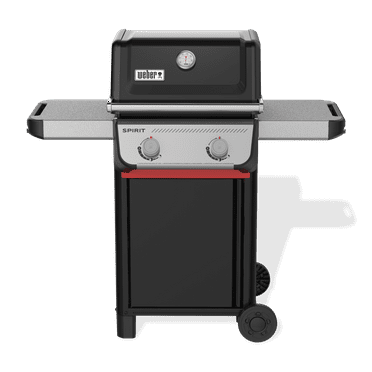
Weber Genesis E-325s 3-Burner Liquid Propane Gas Grill
$779
8,200+ reviews
Weber's most capable mid-range gas grill, with a dedicated sear zone, reliable ignition, and build quality that holds up through a full decade of seasons.
Shop on Amazon →Best Value Gas Grill Under $600
Broil King doesn't get the same recognition as Weber, but the Baron S440 Pro consistently outperforms comparably priced grills from better-known brands. Four cast iron burners, 40,000 BTUs total, and a 500 square inch primary cooking surface put it in real contention for anyone who grills more than twice a week and doesn't want to spend Weber money.
The cast iron grates retain heat better than the stainless grates on most grills in this range, which helps you get a respectable sear even without infrared technology. The side burner is actually functional for a pot of corn or a cast iron sauce pan, unlike most side burners that exist only on paper. For a 10x10 or larger patio, this grill delivers cooking capacity, features, and longevity that are hard to argue with at the price.
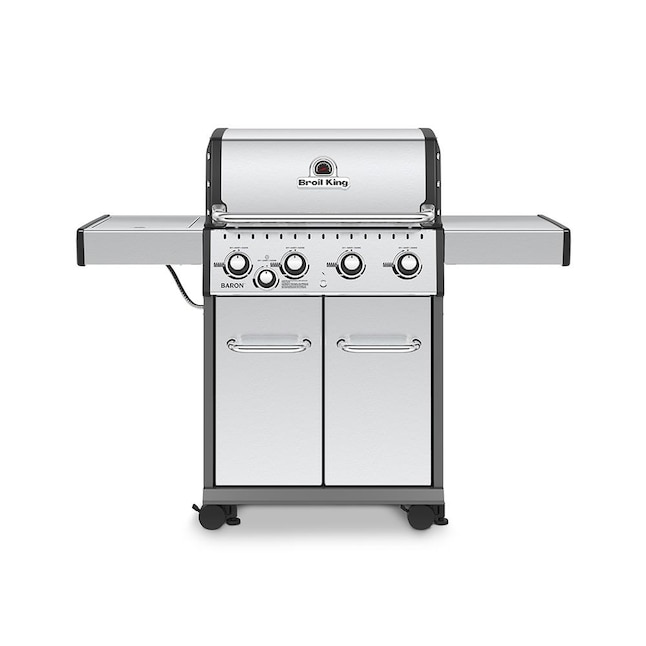
Broil King Baron S440 Pro 4-Burner Liquid Propane Gas Grill
$549
2,300+ reviews
Four cast iron burners and serious BTU output in a sub-$600 package, giving Weber stiff competition on cooking performance without the premium price.
Shop on Amazon →Quick Tips for Choosing Between Infrared and Gas
- Preheat times differ. Infrared grills reach cooking temps in 5 to 7 minutes. Traditional gas grills need 10 to 15 minutes for the grates and cooking chamber to stabilize, especially in colder weather.
- Infrared is not built for low-and-slow. If you smoke or do long indirect cooks regularly, a traditional gas grill gives you more temperature control at the low end. Infrared excels at high-heat direct cooking, not two-hour brisket sessions.
- Cast iron grates close the sear gap on gas grills. If your gas grill has cast iron grates instead of stainless, you can get reasonably close to infrared sear quality. Thin stainless grates on budget gas grills are one of the main reasons infrared wins on crust formation.
- Cover both types religiously. The emitter plates on infrared grills are particularly sensitive to moisture and rust damage. A fitted grill cover extends the usable life of both infrared and traditional gas grills by years.
- Wind affects infrared heat more than you expect. Infrared emitter plates lose heat consistency in high wind, especially on grills without a tight lid seal. If your patio is exposed, a traditional gas grill with a heavier lid often handles the elements better.
Frequently Asked Questions
Is infrared grilling healthier than gas grilling?
Infrared grills produce fewer flare-ups, which means less charring from fat fires contacting the food directly. Both methods are comparable in overall health impact when cooking at similar temperatures and doneness levels.
Do infrared grills use more propane than regular gas grills?
No. Most infrared grills use less propane because the radiant heat is more direct and efficient than convective heating. TEC estimates their infrared models use about 30 percent less gas than comparable traditional burner setups.
Can you smoke food on an infrared grill?
It's possible but not ideal. Infrared grills run hot and are designed for direct, high-heat cooking. If you want to smoke or do long indirect cooks, a traditional gas grill or a dedicated smoker will give you much better temperature control.
How do you clean an infrared grill?
Clean the emitter plate with a wire brush when the grill is warm but not scorching hot. Avoid harsh chemicals or pressure washing, which can damage the ceramic or perforated metal plate. Traditional gas grills are generally more forgiving with cleanup methods.
What does a decent infrared grill cost?
Entry-level infrared grills like the Char-Broil TRU-Infrared start around $349. Premium models like the TEC Cherokee run $1,200 to $1,500. Most of the well-reviewed options land between $400 and $900.