How to Winterize and Protect Your Pergola
Your pergola takes a beating from October through March. Wind, rain, ice, and UV degradation compound every year if you skip the fall prep, and what starts as a surface crack in wood can turn into a rotted beam by spring.
The good news is that winterizing a pergola is a half-weekend job if you have the right products. The steps are different depending on whether your pergola is wood, vinyl, or aluminum, but the core ideas are the same: seal what needs sealing, cover what needs covering, and don't let water sit anywhere it shouldn't.
This guide walks through everything from deep cleaning to protecting your outdoor outlets to dealing with heavy snow loads. Do it once a year and your pergola will look sharp and stay structurally sound for decades.
1.Best Wood Sealer for Pergola Winterizing
If you have a wood pergola, fall is the most important time to apply a penetrating sealer. Wood expands and contracts with temperature swings, and any unsealed grain is an open invitation for water to get in, freeze, and split the wood from the inside out. On a cedar or pressure-treated pine pergola, you will start seeing surface checks and gray weathering within a season or two without this step.
Ready Seal 520 is an oil-based exterior stain and sealer that soaks into the wood fibers rather than sitting on top like a film finish. That means it doesn't peel, crack, or blister when temperatures swing hard. You apply it with a roller or brush in one coat, let it flash for 15 minutes, then back-roll the excess. On a standard 12x16 pergola, one gallon covers the main structure easily. The color deepens slightly while wet and then lightens back to a natural tone as it cures, which most people find looks better than raw gray weathered wood.
Apply it on a dry day when temps are between 50 and 90 degrees. Fall afternoons are actually ideal since the wood is drier after summer heat. Give it 48 hours before rain hits and you're set for the whole winter.
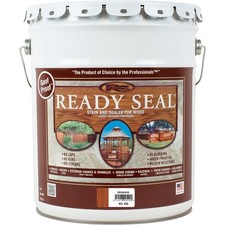
Ready Seal 520 Exterior Stain and Sealer for Wood, 1 Gallon
$45
4,500+ reviews
A penetrating oil-based sealer that soaks into wood grain to prevent cracking and moisture damage without peeling or flaking.
Shop on Amazon →2.Best Side Panels for Winter Wind and Weather
Adding side curtains to your pergola in the fall dramatically changes how usable the space is and how much weather abuse the interior takes. Wind-driven rain is the main culprit for furniture degradation and wood rot at the base of the posts. A set of heavy outdoor curtains can cut that down to almost nothing.
COOFANDY's waterproof pergola curtains are sold by the panel in sizes up to 8x8 feet, with grommet tops and tie-backs that let you pull them open on nicer days. The fabric is a textured polyester with a water-repellent coating that beads rain without feeling like a tarp. For a standard 10x10 or 10x12 pergola, you need two to three panels per side depending on how much coverage you want. Most people do two full sides and leave the other two open.
These hold up well to wind if you use the tie-back loops at the bottom to anchor them to the posts. The grommets are stainless steel rather than painted, so they don't rust and streak the fabric over winter. That sounds like a minor detail but it actually matters a lot after the first wet season.
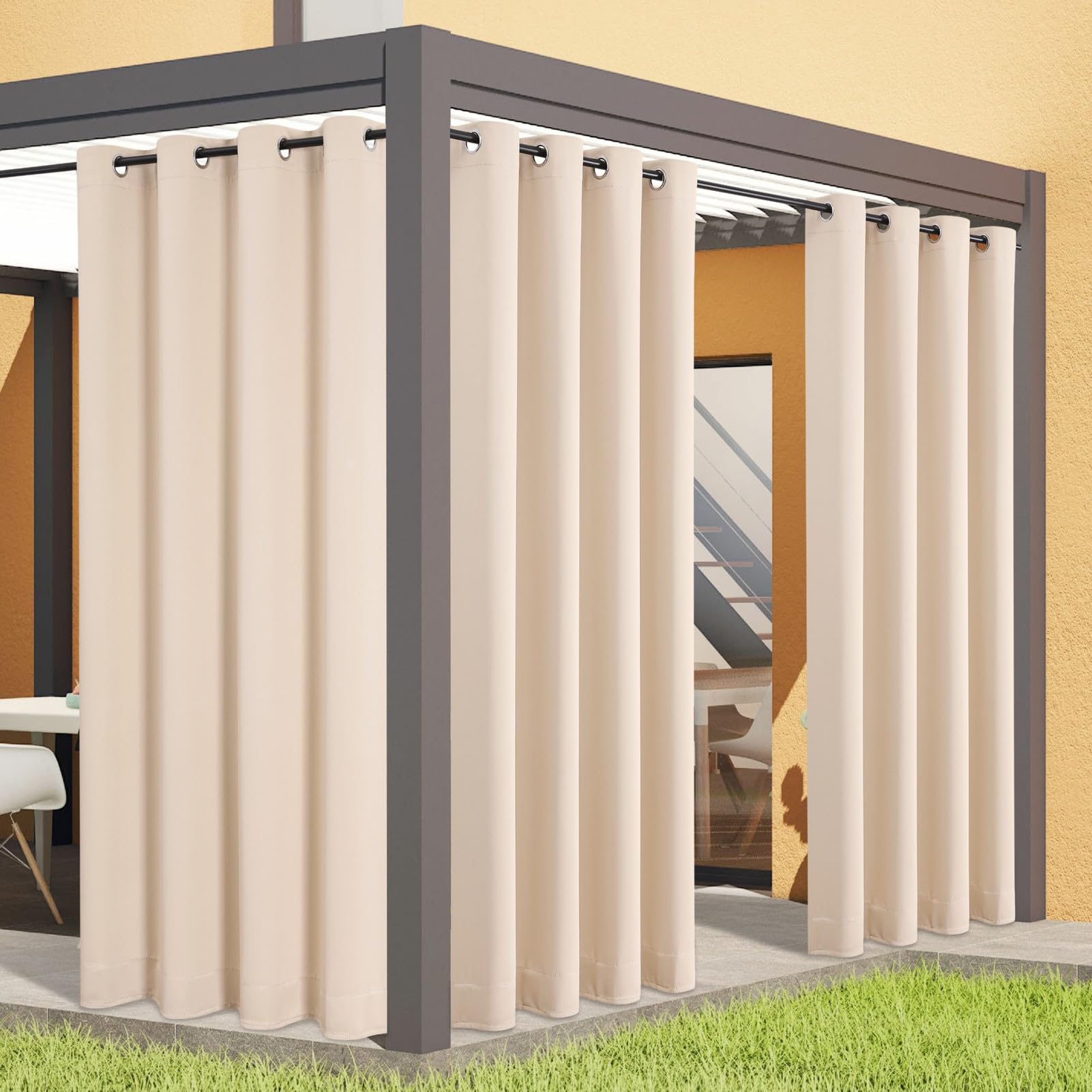
COOFANDY Outdoor Curtains for Patio Pergola Waterproof Grommet Top
$48
6,200+ reviews
Waterproof grommet-top panels with tie-backs that block wind and rain while staying easy to open on good weather days.
Shop on Amazon →3.Best Top Cover for Full Roof Protection
A lot of pergolas have slatted or open roofs, which is great for summer airflow but terrible for keeping rain and debris off your furniture and flooring underneath. A fitted canopy cover for the top turns your pergola into a proper sheltered space through fall and winter without you having to haul everything inside.
Classic Accessories makes a Terrazzo line of pergola canopy replacements in several standard sizes, starting around 10x10 and going up to 12x20. The covers use a ripstop polyester with taped seams, so water doesn't seep through the stitching. They have adjustable straps and clips that attach to your existing pergola frame and the whole thing goes up in about 30 minutes for one person. The cover is UV-treated as well, so it won't fade or degrade from sun exposure during the shoulder season before winter truly sets in.
If you already have a fabric canopy that came with your pergola, this time of year is when you inspect it carefully for small tears or worn seams. A small rip in October becomes a failed canopy in a February ice storm. Replacing it with something like the Classic Accessories cover before winter hits is much cheaper than dealing with the aftermath.
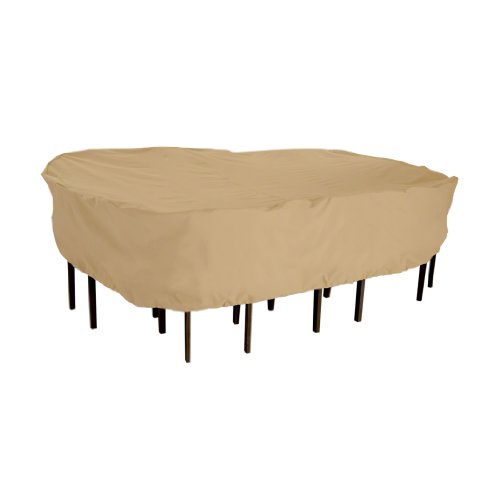
Classic Accessories Terrazzo Rectangular Pergola Canopy Replacement Cover
$90
2,800+ reviews
A ripstop polyester canopy cover with taped seams and adjustable clips, available in multiple standard pergola sizes.
Shop on Amazon →4.Best Weatherproof Protection for Outdoor Electrical
If your pergola has string lights, a ceiling fan, or a mounted outlet, those electrical components need attention before the cold and wet season. Water intrusion into an outdoor outlet is a shock hazard and a fire hazard, and a loose outlet cover can let enough moisture in to corrode the receptacle over a single winter.
Taymac's MM510C is a heavy-duty in-use weatherproof cover designed to seal around plugs that are still inserted, which matters if you leave string lights plugged in year-round. The cover is a deep bubble style with a spring-loaded hinged lid that closes tightly even with a cord passing through. It mounts to a standard single gang outdoor box and has a gasketed seal around the perimeter. For about $16, it is one of the cheapest things you can do with a meaningful safety impact.
While you're up there, check that all wire connections at the light fixtures are capped with waterproof wire nuts rather than standard indoor ones. Waterproof wire nuts are gel-filled and prevent corrosion at the connection even if moisture gets into the fixture housing. They cost almost nothing and are the kind of upgrade most people don't think about until something fails.
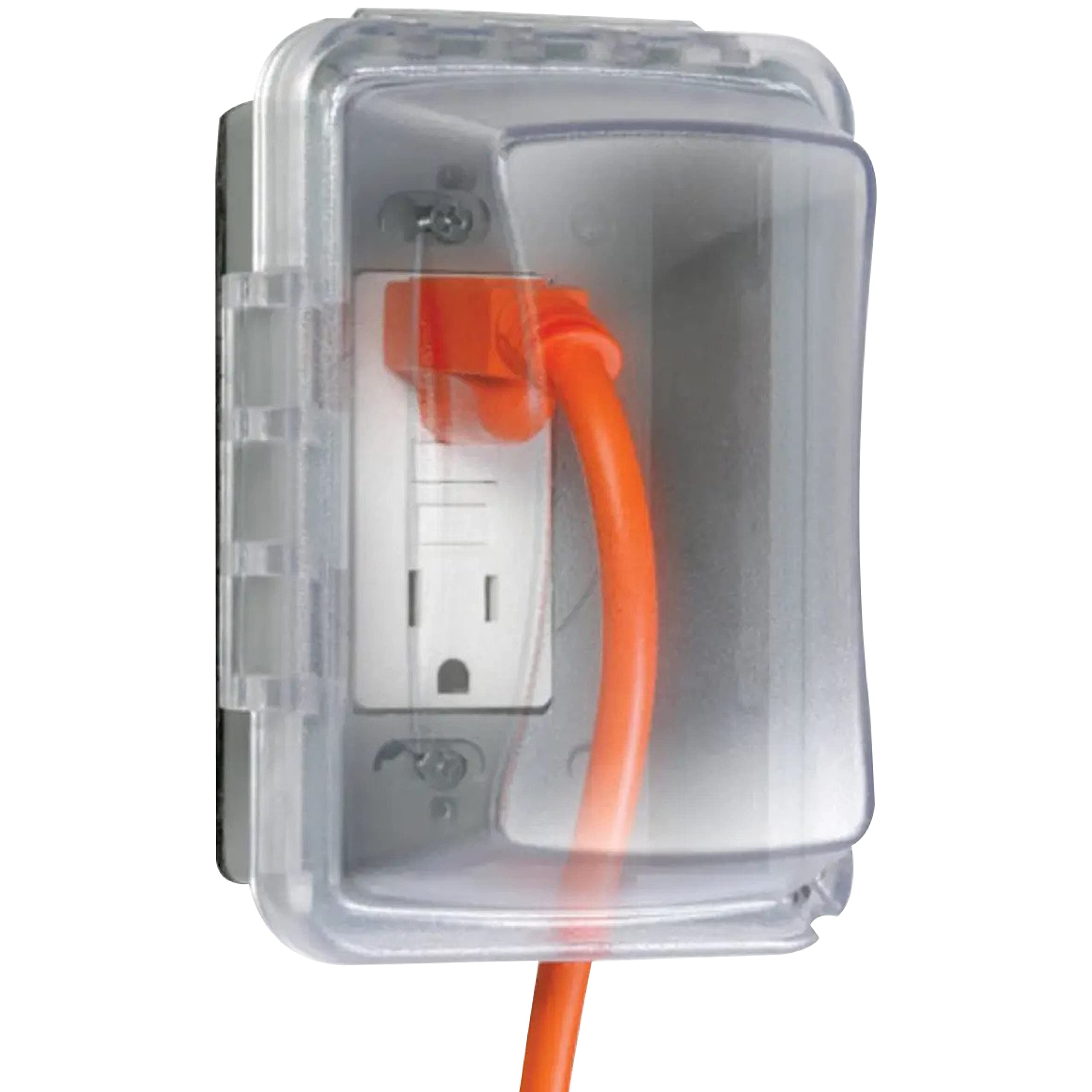
Taymac MM510C Extra Duty Weatherproof Outdoor Outlet Cover, Single Gang
$16
3,100+ reviews
A deep-bubble in-use outlet cover with gasketed seal that protects outdoor receptacles from rain and moisture all winter.
Shop on Amazon →5.Best Tool for Managing Snow and Ice Loads
If you're in a region that gets more than a few inches of snow at a time, your pergola's structural integrity is something you need to think about before the first big storm. Most wood pergolas are not engineered for sustained snow loads the way a house roof is. Eight inches of wet, heavy snow on a flat canopy cover can weigh hundreds of pounds and put real stress on the joinery.
A telescoping roof rake with a wheeled head is the right tool for clearing a pergola canopy without scratching or damaging the surface. True Temper makes a solid telescoping model that extends to 17 feet, which gets you up to a standard second-story pergola from the ground without a ladder. The head is aluminum with a rolled edge, and the wheels keep it from dragging against the surface as you pull snow down.
The technique that works on pergolas is starting from the edge and working inward, pulling in short strokes rather than trying to clear the whole span in one pull. Let the snow fall to the sides rather than directly below where you're standing. If you have vinyl or polycarbonate panels, this tool is safe on both and far better than a standard flat shovel or anything with a sharp edge.
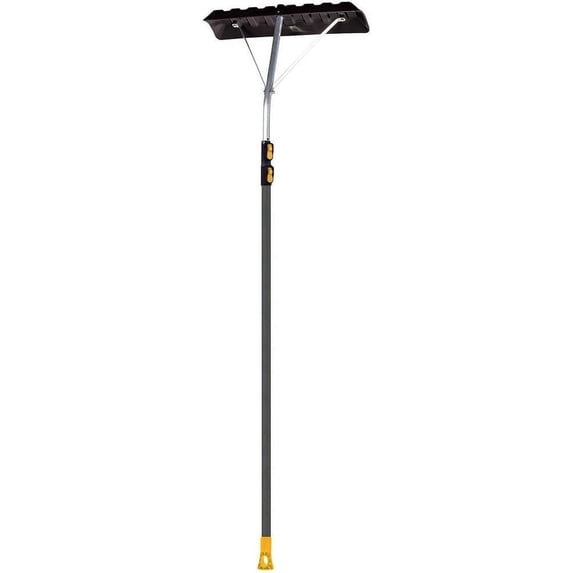
True Temper 17-Foot Telescoping Aluminum Roof Rake with Wheels
$58
5,400+ reviews
A 17-foot aluminum rake with wheeled head designed to clear snow from roofs and pergola canopies safely from the ground.
Shop on Amazon →Quick Tips for Fall Pergola Maintenance
Clean before you seal. Any sealer or stain applied over mildew or dirt just seals that stuff in. Use a diluted deck cleaner and a stiff brush, then let the wood dry completely for two to three days before applying anything.
Check all hardware for rust. Bolts, lag screws, and post base brackets are the first things to fail on wood pergolas. Replace any showing heavy rust and hit the rest with a zinc-based primer before they get worse.
Don't leave cushions in fabric storage bags outside. Fabric storage bags trap moisture against cushions and create perfect conditions for mold. Either bring cushions inside or store them in a hard deck box with a latching lid.
Aluminum and vinyl pergolas still need cleaning. They don't rot, but they accumulate mildew in the joints and around any gaskets. A pressure washer on a low setting with some deck cleaner handles this in about 20 minutes.
Inspect the ledger board if your pergola is attached to the house. The connection point where the pergola meets your exterior wall is where water damage shows up first. Check for gaps in the flashing and recaulk with an exterior-grade polyurethane sealant if needed.
Retighten all bolts in October. Wood expands in summer humidity and contracts in fall, which loosens connections. A torque wrench pass on all major bolts takes 15 minutes and prevents wobble and long-term joint failure.
You Might Also Love
Frequently Asked Questions
Do I need to seal a pressure-treated wood pergola?
Yes. Pressure-treated wood resists rot and insects but it still absorbs water, swells, and cracks without a surface sealer. Apply a penetrating oil-based sealer or stain every one to two years to keep the wood stable and prevent surface checking.
How much snow can a pergola hold?
Most wood pergolas are not rated for significant snow loads. Anything over four to six inches of wet, heavy snow should be cleared promptly. A telescoping roof rake lets you do this safely from the ground without getting on a ladder.
Can I leave my pergola curtains up all winter?
Quality waterproof outdoor curtains rated for all-season use can stay up through winter if they are secured properly. Loose panels that flap in high winds will degrade quickly. Use the tie-back straps at the bottom to keep them tight against the frame.
What is the best way to protect a pergola with a polycarbonate or metal roof?
Polycarbonate panels should be checked for cracks and cleaned with soapy water before winter. Metal roofs should be inspected for rust at the fasteners. Both benefit from having a fitted top cover if you want to minimize debris accumulation.
How do I protect outdoor lights and outlets on my pergola in winter?
Replace any standard outlet covers with in-use weatherproof covers that seal even with cords plugged in. Check that all wire connections in fixtures use waterproof gel-filled wire nuts rather than standard indoor connectors.