How to Winterize Your Patio Furniture (So It Lasts for Years)
That patio set you love? Two harsh winters without prep will turn it into something you're embarrassed to sit on. A few hours of fall maintenance can save you hundreds of dollars in replacements and keep your outdoor furniture looking great season after season.
Step 1: Deep Clean Everything
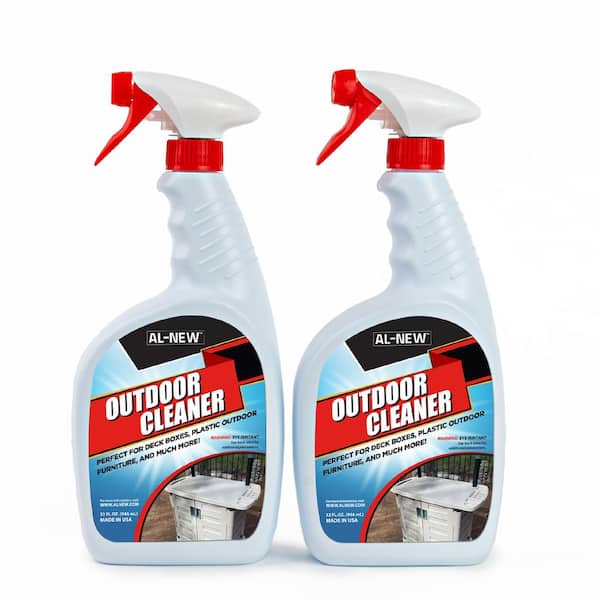
Never cover or store dirty furniture. Dirt, pollen, and mildew trapped under a cover will do more damage over winter than the weather itself. Here's how to clean each material:
Metal (Aluminum, Steel, Wrought Iron)
Wash with warm soapy water and a soft brush. For rust spots on steel or iron, use fine sandpaper (220-grit), then apply a rust-inhibiting primer and touch-up paint. Aluminum won't rust but can oxidize — a paste of baking soda and water buffs out white spots.
Wicker (Natural & Resin)
Vacuum crevices first to remove debris, then scrub with a soft brush and soapy water. For mildew, mix one part white vinegar to four parts water and apply with a spray bottle. Rinse thoroughly and let dry completely in the sun before covering.
Wood (Teak, Cedar, Acacia)
Use a dedicated outdoor furniture cleaner or a mild dish soap solution. Scrub with the grain using a soft-bristle brush. For teak that's turned gray, a teak cleaner will restore the original color. Let dry for 24–48 hours before applying any sealant.
HDPE / Polywood
The easiest material to clean. Warm soapy water and a sponge is all you need. For stubborn stains, a magic eraser works wonders. HDPE is the most winter-resistant material on this list — it won't crack, peel, or fade.
Cushions & Fabric
Remove covers and machine wash if possible. For non-removable covers, scrub with a solution of 1/4 cup dish soap, 1/3 cup borax, and a gallon of warm water. Rinse thoroughly. Cushions must be completely dry before storage — any trapped moisture leads to mold.
Step 2: Make Repairs Now
Fall is the time to fix small problems before winter turns them into big ones. A loose bolt today is a broken joint in March. Here's your repair checklist:
- •Tighten all bolts and screws. Temperature changes cause metal to expand and contract, loosening hardware over time. Hit every joint with a wrench or driver.
- •Repair cushion covers. Small tears will become big tears over winter. Patch with iron-on repair tape or sew them closed now.
- •Touch up paint and finish. Exposed metal rusts. Exposed wood absorbs water. A $5 can of spray paint or brush-on sealant now prevents $200 in damage later.
- •Replace worn glides and feet. Cracked or missing leg caps let water seep into hollow legs, freeze, and split the frame from the inside out.
Step 3: Choose Your Strategy — Cover or Store
Not everything needs to come inside. Here's how to decide:
Store Indoors
- ✓ All cushions and fabric
- ✓ Natural wicker furniture
- ✓ Untreated wood pieces
- ✓ Lightweight metal chairs that blow over
- ✓ Glass tabletops (can crack in freeze/thaw)
Can Stay Outside (with Covers)
- ✓ HDPE / Polywood
- ✓ Resin wicker (on steel frame)
- ✓ Heavy cast aluminum
- ✓ Sealed teak or cedar
- ✓ Powder-coated steel (if covered well)
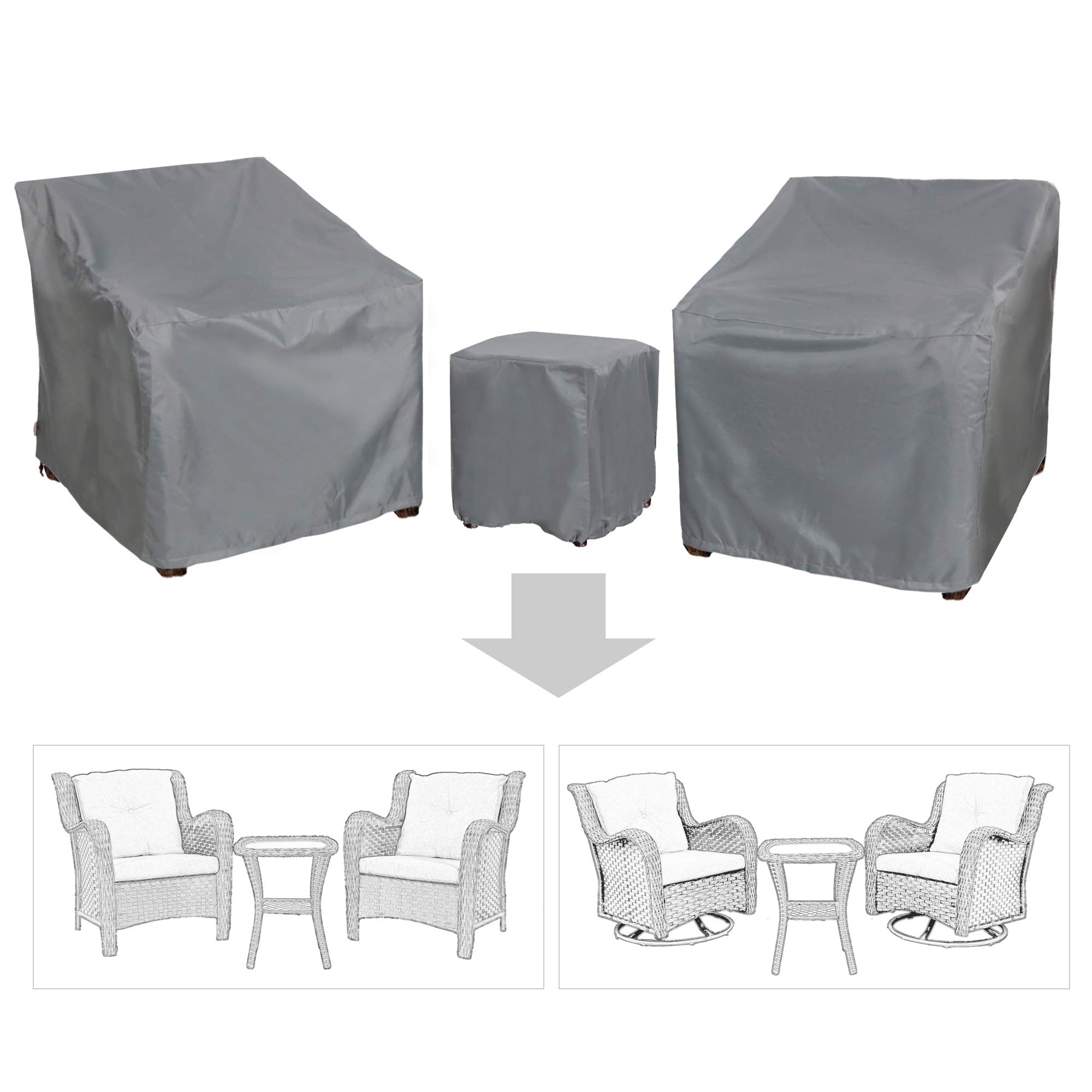
What makes a good cover? Look for 600D or heavier polyester fabric, taped seams, adjustable hem cords, and built-in air vents. Vents are critical — without them, condensation builds up under the cover and creates the exact moisture problem you're trying to prevent.
Material-Specific Winter Advice
Metal furniture: Apply a thin coat of car wax (yes, car wax) to aluminum and steel surfaces before covering. It creates an invisible barrier against moisture and makes spring cleaning a breeze. Avoid silicone-based products on wrought iron — they can trap moisture underneath.
Wicker furniture: Natural wicker must come inside — no exceptions. It absorbs water, swells, and cracks in freezing temps. Resin wicker is much tougher and can stay out with a cover, but prolonged snow weight can deform the weave. Brush off snow after storms if possible.
Wood furniture: Apply a wood sealant or teak oil after cleaning and before covering. This is your last chance to protect the grain before months of moisture exposure. Pay extra attention to end grain (the cut ends of boards) — that's where water penetrates fastest.
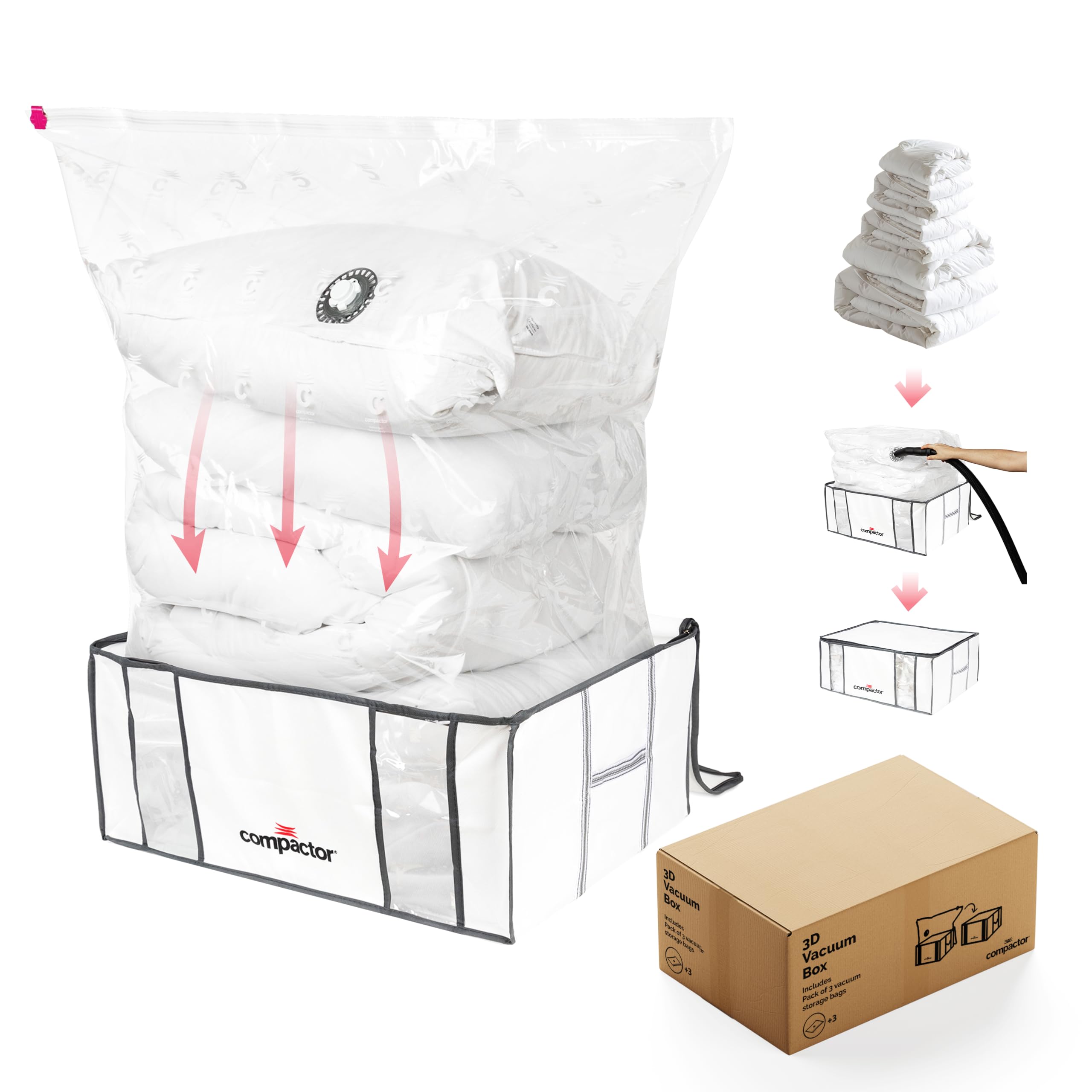
Cushions: Always store indoors, no matter what the tag says. Even "all-weather" cushion foam will hold moisture and develop mold if left outside through winter. Use vacuum storage bags to compress them and save space in a closet or garage.
Winterizing Checklist
- ☐Deep clean all furniture (soap, water, soft brush)
- ☐Treat any mildew or mold spots
- ☐Tighten all bolts, screws, and hardware
- ☐Touch up paint chips and seal exposed wood
- ☐Apply car wax to metal surfaces
- ☐Apply wood sealant or teak oil to wood pieces
- ☐Remove all cushions and wash covers
- ☐Dry cushions completely, then store indoors
- ☐Move natural wicker, glass tops, and lightweight pieces inside
- ☐Cover remaining outdoor pieces with vented, waterproof covers
- ☐Place moisture absorbers under each cover
- ☐Secure covers with bungee cords or tie-downs
Spring Preview
When warmer weather returns, reverse the process: remove covers, wipe everything down, bring cushions back out, and inspect for any winter damage. If you followed this guide, you'll be amazed at how little work spring setup takes. Most people spend an entire Saturday replacing furniture that could have been saved with a few hours of fall prep.
Your future self — the one sitting on a clean, solid patio set in April — will thank you.