How to Store Outdoor Cushions for Winter
Most people ruin their outdoor cushions in storage, not during the season. A little moisture trapped inside a storage bag in October means a pile of mildewed foam by April.
The process matters more than the container. Cushions need to be fully dry before anything touches them, whether you're stashing them in a deck box outside or hauling them into a garage. Skipping that step costs you a full set of cushions.
This guide walks you through exactly how to prep cushions before cold weather hits, which storage solutions actually work, and when outdoor storage is fine versus when you really need to bring things inside.
Best Dedicated Cushion Storage Bag for the Garage or Basement
If you're moving cushions indoors for winter, a purpose-built cushion storage bag makes the process much less aggravating. These are designed around the actual dimensions of outdoor cushions, which tend to be wider and thicker than anything you'd find at a container store. The Covermates Ripstop Outdoor Cushion Storage Bag fits cushions up to 72 inches long, handles a full set of deep-seat cushions, and has reinforced handles you can actually grip when the bag is stuffed full.
The ripstop fabric blocks moisture from getting in but also allows a small amount of airflow, which matters more than people realize. Cushions breathe even in storage, and a completely sealed bag can trap condensation if there are any temperature swings in your garage. This one threads the needle between protection and breathability. Store it upright against a wall rather than flat on a concrete floor, which stays cold and damp all winter.
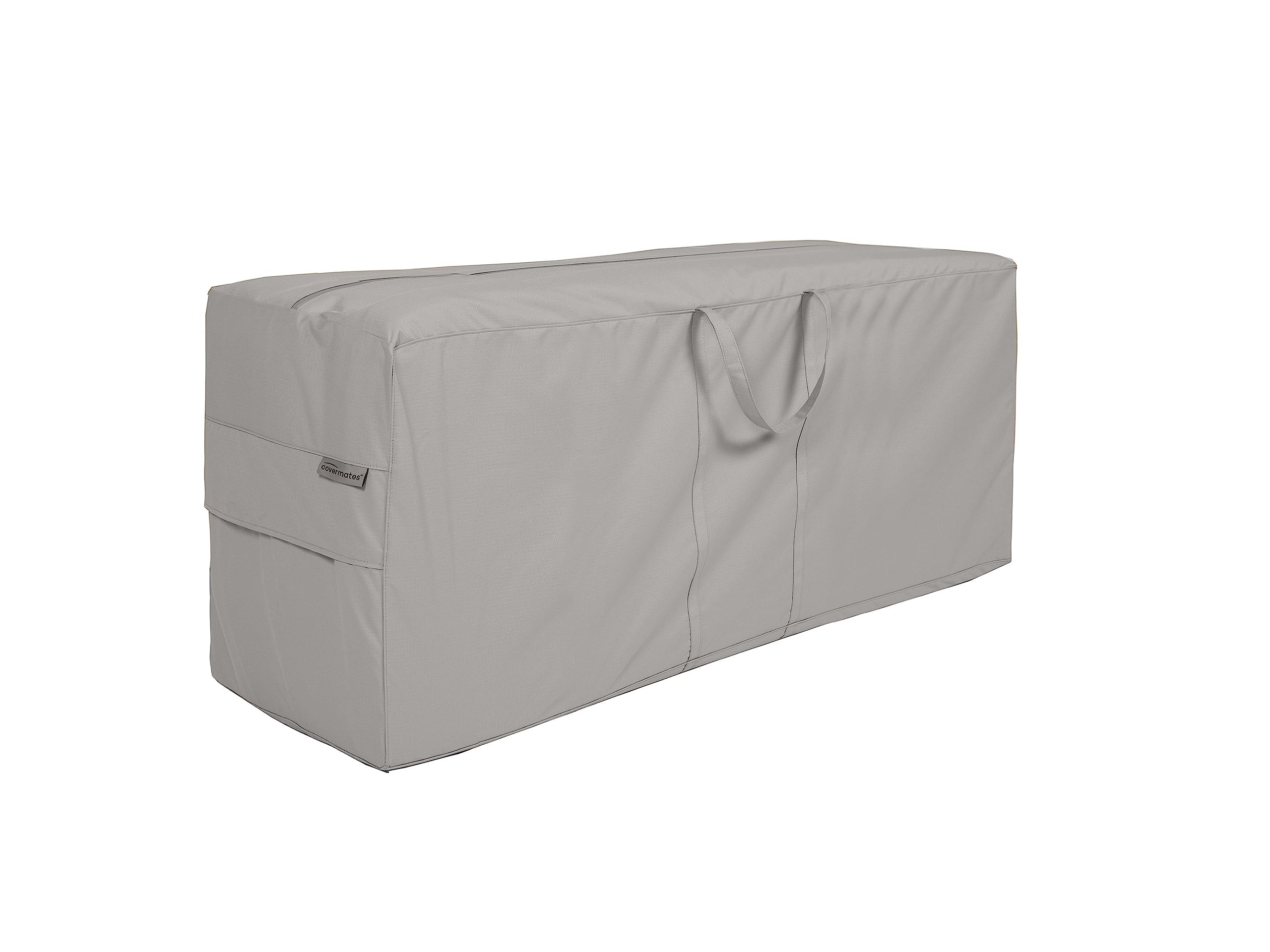
Covermates Ripstop Outdoor Cushion Storage Bag
$42
3,800+ reviews
Purpose-built for oversized outdoor cushions, with reinforced ripstop fabric and handles that hold up when the bag is loaded down.
Shop on Amazon →Best Deck Box for Outdoor Cushion Storage
If you have a covered patio or a garage with limited floor space, leaving cushions in a weatherproof deck box outside is a perfectly reasonable option. The key is choosing a box with a proper seal and ventilation slots, not just a lid that looks like it fits. The Keter Store It Out Midi 150-gallon deck box holds a full set of deep-seat cushions for a 4-piece sectional, seats two adults as a bench, and handles temperature swings from summer heat to a hard freeze without cracking.
The lid gasket is the detail that separates this from cheaper options. It keeps rain and snowmelt out while still allowing a tiny bit of airflow through the design. Position it off the ground if you can, even just a couple of inches on rubber feet or pavers, so water doesn't pool underneath and wick in. A closed box in direct shade stays significantly cooler than one that bakes in afternoon sun, which also reduces the chance of condensation building up inside during spring warmup.
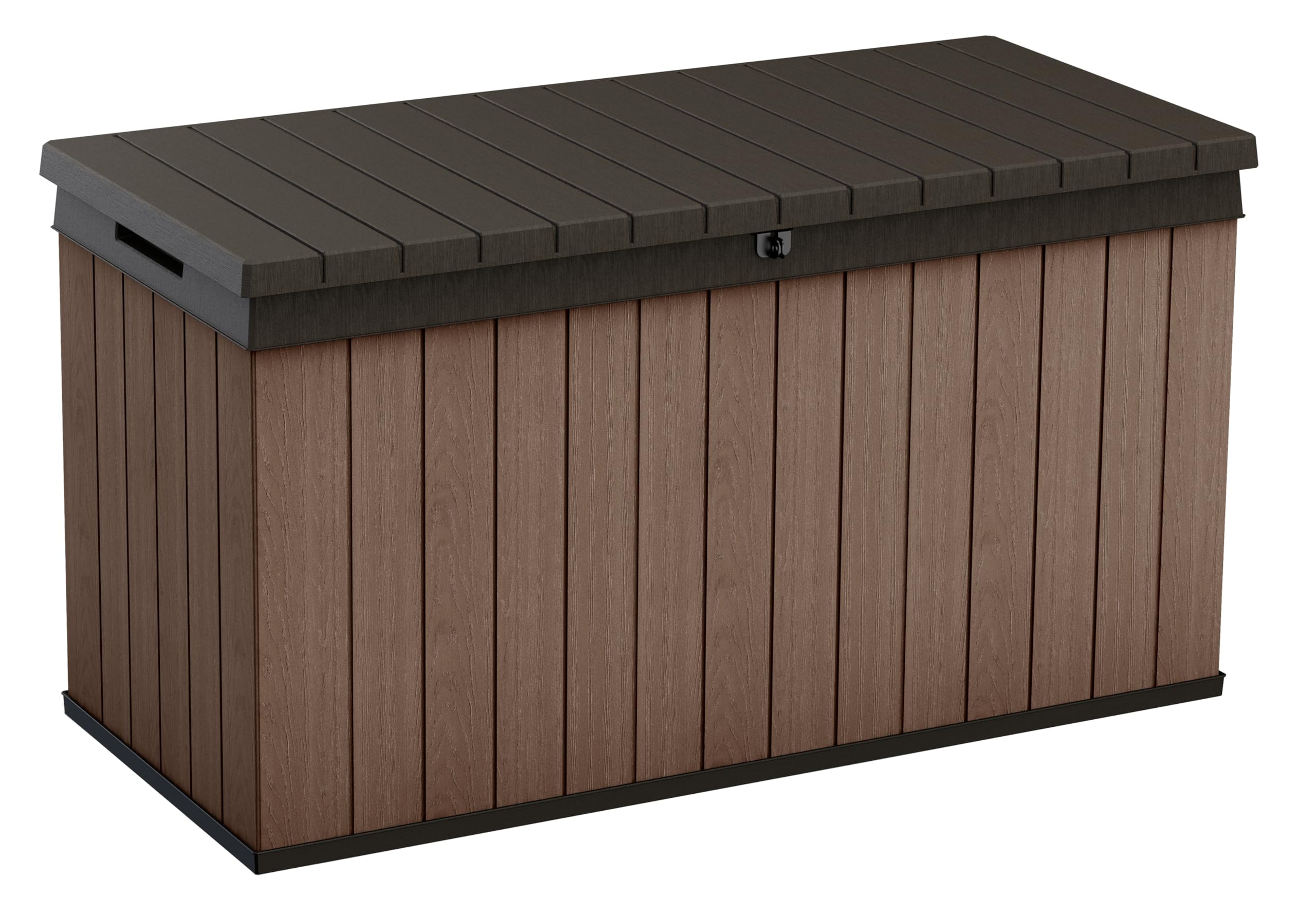
Keter Store It Out Midi 150 Gallon Outdoor Storage Box
$189
6,400+ reviews
A well-sealed 150-gallon deck box that fits a full sectional set worth of cushions and doubles as sturdy outdoor seating.
Shop on Amazon →Best Vacuum Compression Bags for Tight Spaces
Vacuum storage bags are genuinely useful when you're storing cushions in a closet or a car trunk-sized corner of a spare bedroom. They cut the volume of a thick seat cushion by about half, which sounds like a marketing claim but actually holds up. The Spacesaver Premium Vacuum Storage Bags in the jumbo size are the ones worth buying. They use a double-zip seal that doesn't pop open when you roll them, and the valve works with any standard vacuum hose without an adapter.
One rule here: only use vacuum bags for cushions with synthetic fill like polyester fiberfill. Memory foam and quick-dry foam can be damaged by sustained compression over several months. For standard polyester-filled outdoor cushions, a few months in a vacuum bag causes no issues. Roll the air out in stages rather than going straight to full suction, which helps the foam compress evenly without creating creases that stay permanent.
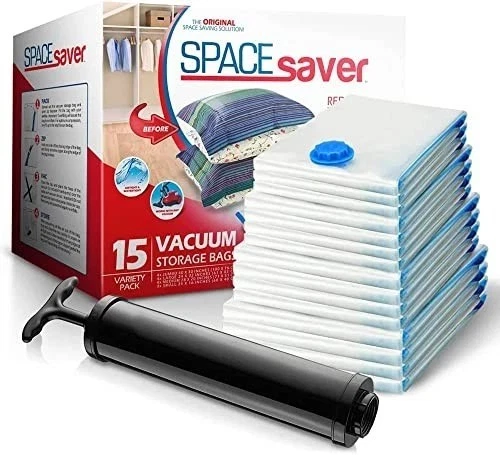
Spacesaver Premium Jumbo Vacuum Storage Bags (4-Pack)
$35
52,000+ reviews
Heavy-duty jumbo bags with a double-zip seal that actually holds vacuum for months, cutting cushion storage volume nearly in half.
Shop on Amazon →Best Weathertight Storage Bin for Garage Shelving
For cushions going onto garage shelves or into a storage unit, a weathertight plastic bin beats any cardboard box or generic bin from a big-box store. The IRIS USA 74-quart WeatherPro Airtight Storage Box has a proper gasket lid, stackable design, and clear walls so you can tell what's inside without popping the top. It fits most standard throw pillow and lumbar cushions, and two bins stacked handle a full patio chair set.
The clear body is more useful than it sounds when you're digging through a garage shelf in March trying to figure out which bin has the chair cushions versus the pool towels. Label the lid with a piece of tape and a marker anyway, but the visibility helps when everything is stacked. These bins also protect against mice and insects better than fabric bags, which matters in a garage that goes unoccupied for weeks at a time.
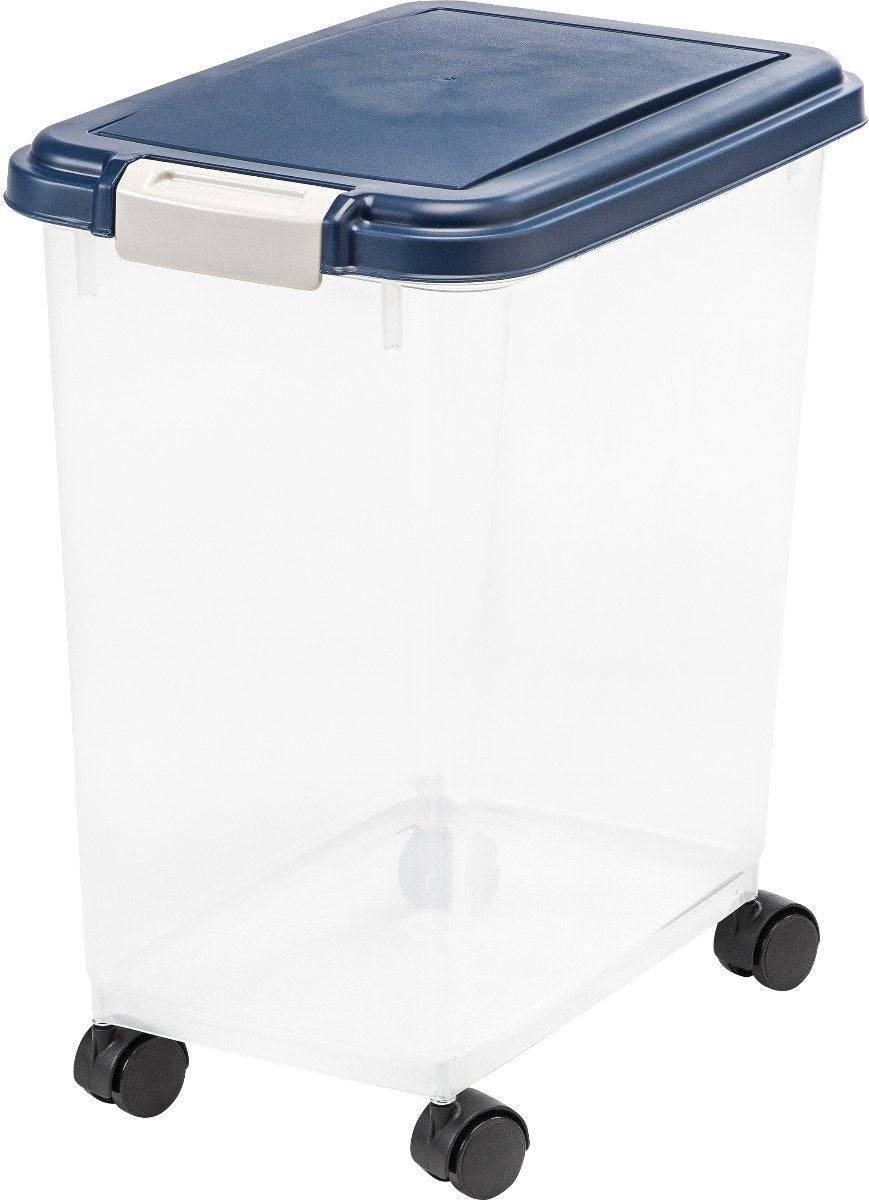
IRIS USA 74 Qt. WEATHERPRO Airtight Storage Box
$28
9,100+ reviews
A gasketed, clear-body plastic bin that keeps moisture and pests out, stacks cleanly, and fits neatly on standard garage shelving.
Shop on Amazon →Quick Tips for Storing Outdoor Cushions Right
- Dry completely before storing. Press your hand firmly into each cushion. If the inner foam feels cool or damp at all, leave it in the sun for another full day. Sealing in even 5% moisture is enough to grow mold over a 4-month winter.
- Brush off debris first. Leaves, pollen, and dirt trap moisture against the fabric. A stiff brush takes two minutes and makes cleaning in spring much easier.
- Wash covers before storing, not after. Oils, sunscreen, and food residue break down fabric over time. A quick wash now means cushions come out of storage looking like new instead of stained and stiff.
- Outdoor storage is fine with the right box. A proper deck box under a covered patio works in most climates. The exception is sustained freezing temperatures, which can crack foam fill over time. If you're in a zone that regularly dips below 15 degrees F, bring cushions inside.
- Stand cushions on edge inside storage bags. Storing them flat stacks weight on the foam and creates permanent compression. Upright storage keeps the fill evenly distributed so cushions bounce back in spring.
- Add a desiccant packet to each container. A single silica gel packet rated for the container size absorbs any residual moisture during temperature swings. They cost almost nothing and prevent the musty smell that builds up in sealed storage over winter.
Frequently Asked Questions
Do outdoor cushions need to be stored inside for winter?
Not necessarily. A quality weatherproof deck box under a covered patio handles most climates fine. If your winters regularly drop below 15 degrees F, bring cushions indoors, since sustained hard freezes can damage foam fill over time.
How do you get outdoor cushions fully dry before storage?
Stand them upright in a sunny spot for at least a full day after any cleaning or rain. Press firmly into the center of the cushion with your palm. If the foam feels cool or damp at all, it needs more time. Direct sun and airflow on all sides speeds this up.
Can you store outdoor cushions in plastic bags?
Only if the cushions are completely dry first. A sealed plastic bag traps any remaining moisture and creates the perfect environment for mold. If you use vacuum bags, make sure they're for synthetic-fill cushions only, not memory foam.
How do you prevent outdoor cushions from getting moldy in storage?
Three things matter: dry cushions completely, use a breathable or well-sealed container rather than a trash bag, and add a silica gel desiccant packet to each bin or bag. Mold needs moisture to grow, and these steps remove it.
When should you start storing outdoor cushions for winter?
Before the first hard freeze in your area, and ideally before sustained rainy fall weather sets in. If your cushions get soaked and don't fully dry before temperatures drop, you're storing damp cushions whether you intend to or not.