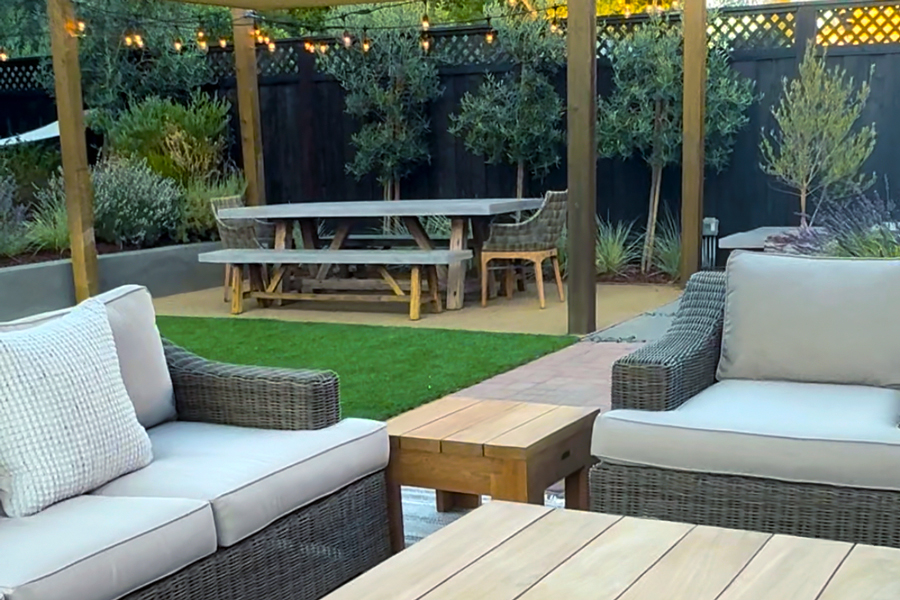
How to Keep Patio Furniture Looking New All Summer
The furniture that looked great after your spring deep-clean will not stay that way on its own. By mid-July, UV exposure has already started dulling colors, humidity is pushing mildew into cushion fabric, and metal frames are developing the early orange haze of rust. A quick monthly habit can stop all of that.
This guide is not about spring cleaning. It's about what you do from May through September to keep everything looking the way it did on day one. The products here target specific problems: UV degradation, fabric mildew, metal corrosion, and natural fiber drying out.
You don't need a full afternoon for this. Most of these take ten minutes a month, and the cost of the products is a fraction of what you'd spend replacing cushions or refinishing frames after one rough summer.
Best UV Protectant for Outdoor Furniture
If you have resin wicker, vinyl cushion fabric, or any plastic components on your patio furniture, UV degradation is the fastest way to age them. After two or three months of direct sun, resins start to chalk and colors fade to that washed-out gray-brown. 303 Aerospace Protectant is what detailers use on car interiors, and it works just as well on outdoor furniture. One coat on a dry surface leaves a UV-blocking layer that stays effective for four to six weeks.
A 32-ounce bottle covers a full sectional setup with enough left over for two or three more applications. Spray it on, wipe it off with a microfiber cloth, done. It also keeps plastics from getting that sticky, tacky feel in heat. If your furniture sits in direct afternoon sun on a south-facing patio, this is a monthly task. If you're in a shadier spot, every six weeks is fine.
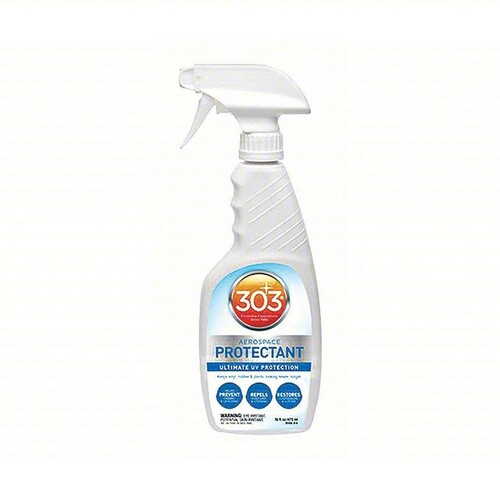
303 Aerospace Protectant 32 oz
$18
34,600+ reviews
A UV-blocking spray trusted by marine and automotive detailers that protects resin, vinyl, and plastic outdoor furniture from fading and chalking.
Shop on Amazon →Best Mildew Cleaner for Outdoor Cushions
Cushion fabric picks up mildew fast when you're dealing with morning dew, afternoon rain, and warm temperatures stacking up week after week. Most people don't notice it until the black spots are already visible. Wet & Forget Outdoor is a no-scrub formula that you dilute with water, spray on, and let rain and dew do the rinsing over a few days. It's not an instant fix, but it's the kind of thing you spray once a month as a preventive treatment and the mildew never really gets a foothold.
It works on fabric, resin wicker, concrete, and wood, so you can treat the whole patio in one pass. For cushions that already have visible spots, a second application a week later handles most of what you'll see. The gallon concentrate makes about 6 gallons of ready-to-use solution, which is more than enough for a full summer on a 12x16 patio setup.
Wet & Forget Outdoor Mold Mildew Moss & Algae Stain Remover Concentrate Gallon
$32
22,100+ reviews
A no-scrub, no-rinse mildew treatment for outdoor cushions, resin wicker, and hard surfaces that works passively with rainwater over several days.
Shop on Amazon →Best Rust Preventer for Metal Patio Frames
Steel and iron furniture frames start rusting from the inside out. Small scratches in the powder coat, screw holes, welds, and leg tips on damp pavers are all entry points. By the time you see orange on the outside, the corrosion is already deeper. Fluid Film is a lanolin-based spray that penetrates metal surfaces and creates a soft, waxy barrier that blocks moisture. It doesn't dry hard, which means it self-heals slightly when scratched and stays flexible through temperature swings.
Apply it to bare metal spots and welds at the start of the season, then touch up every eight weeks. The nozzle is precise enough to hit joints and leg bottoms without coating everything around it. This is especially worth doing on furniture near a pool or on a coastal property where salt air accelerates corrosion significantly. One 11.75-ounce can treats a full 6-piece dining set with plenty left over.
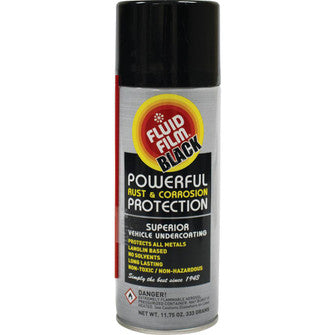
Fluid Film Rust & Corrosion Protection Aerosol 11.75 oz
$17
11,400+ reviews
A lanolin-based rust inhibitor that penetrates metal joints and welds on patio frames, staying flexible and effective through heat and rain cycles.
Shop on Amazon →Best Conditioner for Wicker and Natural Wood
Natural rattan wicker and teak or acacia wood furniture dry out over summer. Sun and heat pull moisture from the fibers and grain, which leads to cracking in wood and brittleness in wicker weave. Howard Feed-N-Wax is a blend of beeswax, carnauba wax, and orange oil that penetrates and conditions both wood and natural wicker without leaving a greasy film. It's been around for decades and it's one of those products that furniture makers and restorers actually use.
Apply it every four to six weeks through the summer. For teak that has gone gray, it won't reverse the silvering but it will stop the wood from drying to the point of cracking or splintering. For rattan wicker, it keeps the fibers pliable so they don't snap when flexed. A 16-ounce bottle handles a 3-seat sofa frame and two chairs with a couple of applications left over. Wipe it on with a clean rag, let it sit for twenty minutes, buff off the excess.
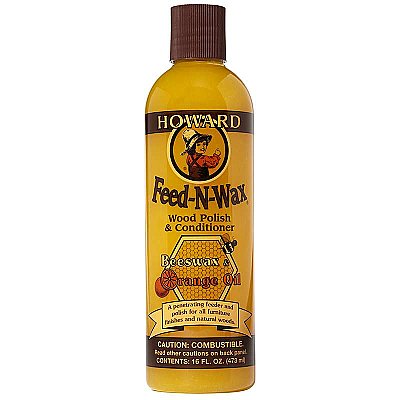
Howard Feed-N-Wax Wood Polish and Conditioner 16 oz
$11
17,800+ reviews
A beeswax and orange oil conditioner that keeps natural rattan wicker and outdoor wood furniture from drying out and cracking through peak summer heat.
Shop on Amazon →Best Mid-Season Furniture Covers for Rainy Weeks
Full covers for the whole season are a spring and fall thing. But mid-summer, when you're heading into a week of rain or leaving for vacation, partial covers for your most-used pieces make a real difference. Classic Accessories Montlake FadeSafe covers are made from a water-resistant, fade-proof fabric that doesn't trap moisture underneath, which is the main failure mode of cheaper covers that cause more mildew than they prevent. The seams are reinforced, the buckle straps keep them from blowing off in wind, and they come in every configuration you need.
For a 12x12 entertaining patio, covering just your cushioned sofa and armchairs during a rainy stretch saves you the whole fabric-cleaning process when the sun comes back. The FadeSafe material also handles heat without cracking or stiffening. These covers are sized for specific furniture types so measure your pieces before ordering. A sofa cover and two chair covers for a typical conversation set runs about $90-110 total.
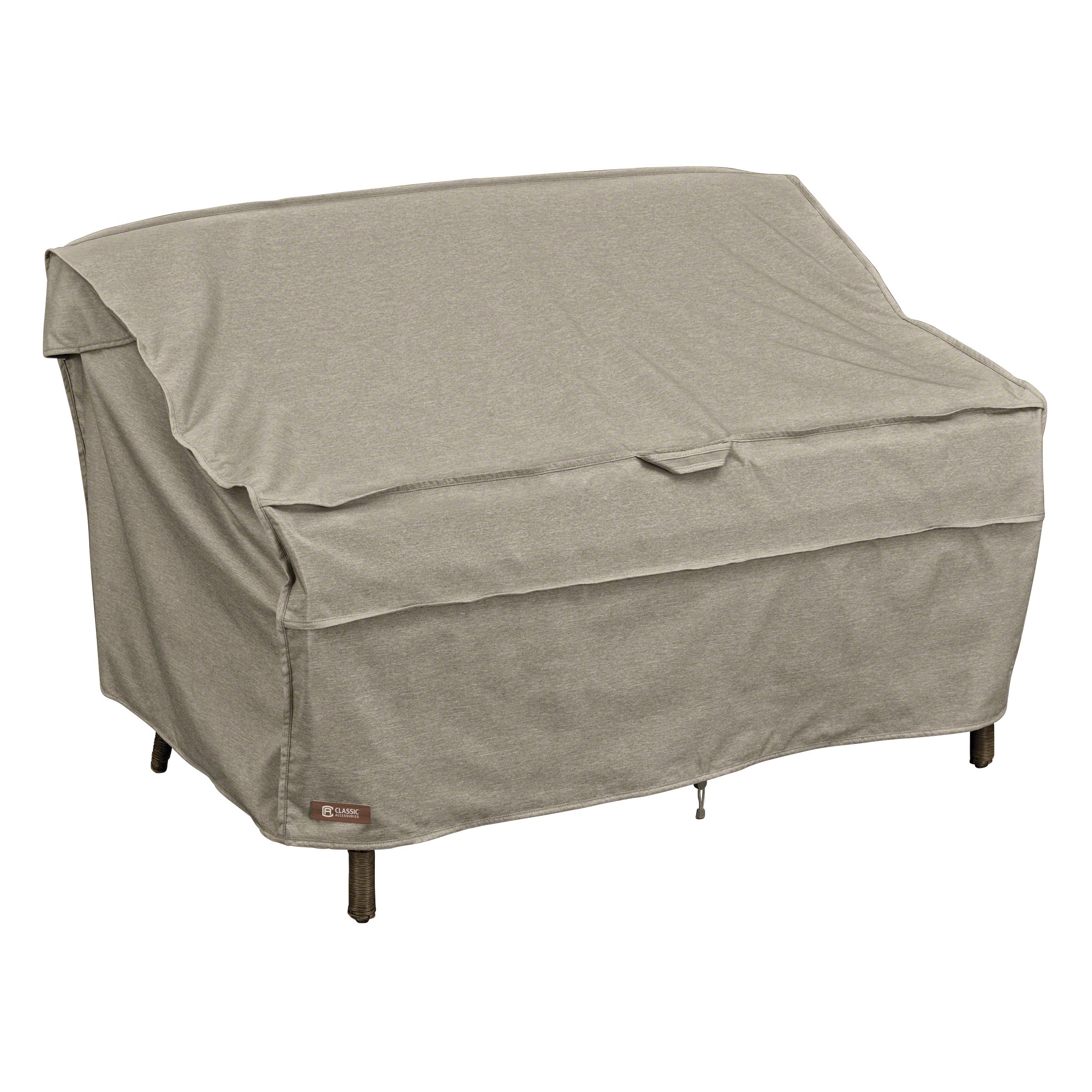
Classic Accessories Montlake FadeSafe Patio Sofa Cover
$48
9,200+ reviews
A breathable, water-resistant sofa cover with reinforced seams and buckle straps that protects cushioned furniture during rainy stretches without trapping moisture.
Shop on Amazon →Quick Tips for Mid-Season Patio Furniture Care
- Wipe cushions after rain, not before. Letting cushions dry fully before storing or covering them prevents the moisture from sitting against the fabric and feeding mildew. An hour of afternoon sun does more than towel-drying.
- Check leg tips and feet monthly. Rubber or plastic leg caps hold moisture against metal frames. Pull them off every month, dry underneath, and let the frame dry fully before replacing them. This is where most rust starts.
- Flip cushions to even out UV exposure. The side that faces up takes all the sun damage. Flipping every two to three weeks keeps fading even and extends the life of your cushion fabric by a full season or more.
- Keep UV protectant away from fabric. Products like 303 Aerospace Protectant are for hard surfaces, vinyl, and plastic. Getting them on upholstery fabric can affect the water-repellent finish. Tape off or cover cushions before spraying frames.
- Rinse furniture after saltwater exposure. If you're near the coast or your kids bring pool water to the patio furniture, a quick rinse with fresh water once a week stops salt and chlorine from accelerating corrosion on metal and drying out synthetic wicker.
- Store cushions vertically, not stacked. Stacking cushions flat traps humidity between them. Standing them on edge in a deck box allows air to circulate and dries them out between uses, which is the single easiest way to prevent mildew.
Frequently Asked Questions
How often should I apply UV protectant to outdoor furniture?
Every four to six weeks for furniture in direct sun, and every six to eight weeks in a shaded spot. Products like 303 Aerospace Protectant break down faster in intense UV, so more sun exposure means more frequent application.
What's the best way to get mildew out of outdoor cushion fabric?
A no-scrub product like Wet & Forget Outdoor works well for prevention and early-stage mildew. For heavy staining, mix one part white vinegar with one part water, spray it on, let it sit for 15 minutes, then scrub with a soft brush and rinse. Sun-dry fully before covering or storing.
Can I use the same protectant on wicker and aluminum furniture?
Not usually. UV protectants like 303 Aerospace work well on resin wicker and aluminum. Natural rattan wicker needs an oil-based conditioner like Howard Feed-N-Wax to stay pliable. Using the wrong product won't cause damage, but it won't give you the protection you need.
How do I stop patio chair legs from rusting?
Remove any rubber or plastic feet monthly to dry the metal underneath, then apply a corrosion inhibitor like Fluid Film to bare metal areas and welds. For chairs with existing rust spots, sand down to bare metal, prime, and then apply a rust-inhibiting spray before the season advances further.
Should I cover patio furniture every night during summer?
No. Covering every night traps humidity and causes more mildew than it prevents. Use covers for extended rain periods, week-long absences, or when a storm is coming. Letting furniture breathe overnight in dry conditions is better for it than constant covering.