How to Grill in Cold Weather: Winter BBQ Setup
Cold weather does not mean the grill goes into storage. Some of the best cookouts happen in November and December, when the air is crisp and a hot plate of ribs or a reverse-seared steak hits differently.
The challenge is that your grill does not know it is winter. Gas loses pressure when it is cold, charcoal takes longer to light, and wind will rob heat from your cooker faster than you can compensate with the burner knob. None of these problems are unsolvable.
This guide covers the five tools and tactics that make cold-weather grilling not just tolerable but genuinely enjoyable. From keeping yourself warm to keeping the grill at temperature, here is what actually works.
1.Best Wireless Thermometer for Monitoring From Indoors
In cold weather, you do not want to be lifting the lid every few minutes to check on a roast. Every time that lid comes up, you lose heat and add cooking time. A wireless meat thermometer solves this by keeping you informed from inside the warm house.
The MEATER Plus handles both meat internal temperature and ambient grill temperature simultaneously with a single probe, and it connects over Bluetooth to your phone up to 165 feet away. That is enough range to keep you inside sipping something hot while the pork shoulder runs its course.
What makes it worth the price in winter specifically is the guided cook feature. It accounts for rest time and gives you an estimated finish time, which matters more when cold temps slow everything down. You are not flying blind while standing in the dark at 28 degrees.
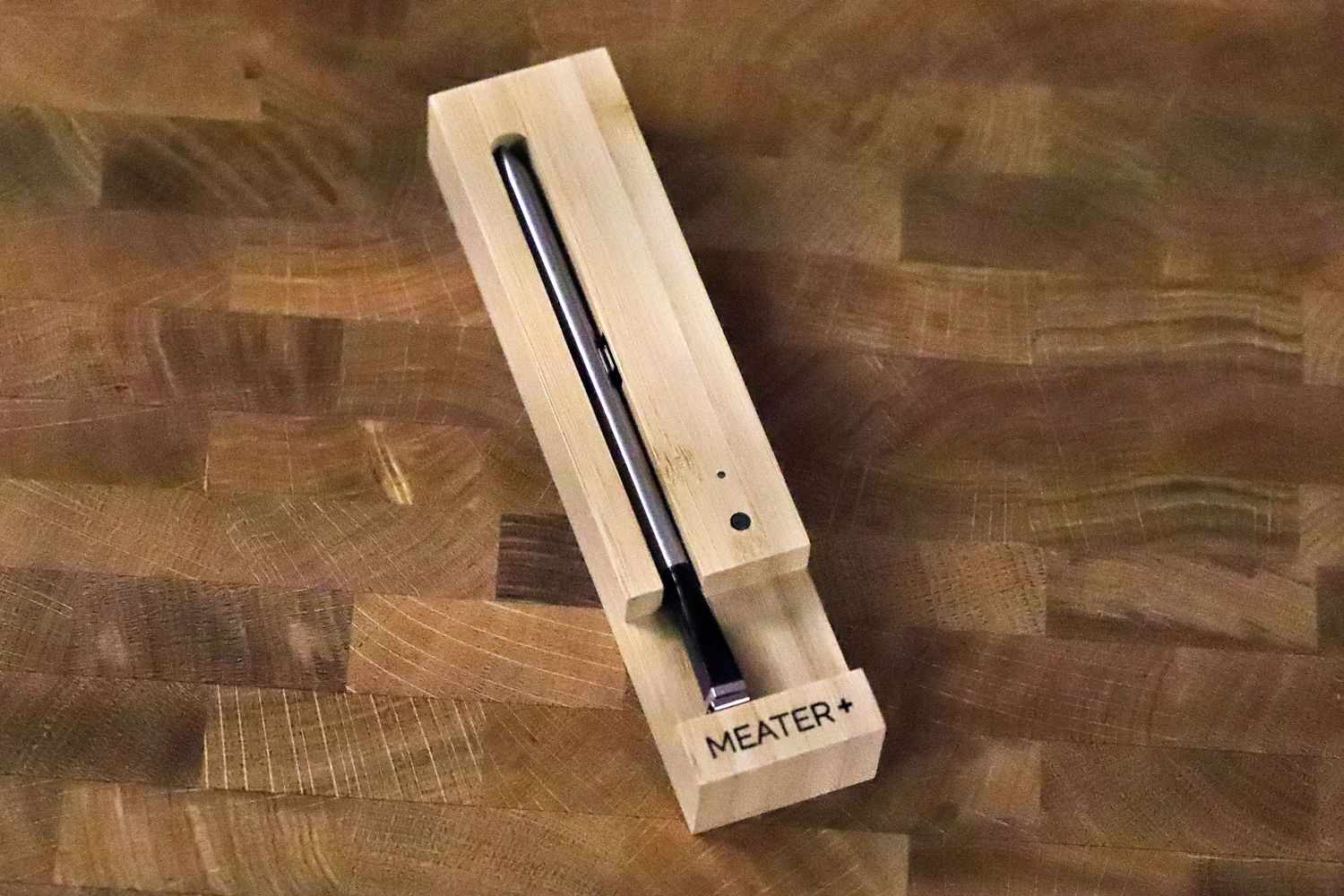
MEATER Plus Long Range Smart Wireless Meat Thermometer
$99
28,400+ reviews
Single probe reads meat and ambient temps simultaneously, with 165-foot Bluetooth range and guided cook estimates that account for cold-weather delays.
Shop on Amazon →2.Best Insulation Blanket for Pellet Grills in the Cold
Pellet grills struggle in cold weather more than gas or charcoal setups. When ambient temps drop below 40 degrees, the auger runs almost constantly trying to maintain temperature, pellet consumption climbs fast, and the grill may not even hit its upper temperature range at all.
Traeger's insulation blanket for the Pro Series wraps around the body of the cooker and cuts pellet use by up to 20 percent in winter conditions. It is made from a fiberglass mat covered in a woven outer layer that handles grill-level heat, and it attaches with hook-and-loop fasteners in a few minutes. If you have been burning through bags of pellets on cold brisket runs, this pays for itself quickly.
One thing worth knowing: these blankets are grill-specific. Traeger makes versions for the Pro 575, Pro 780, and several other models. Check your model number before ordering. Pit Boss and Camp Chef make similar blankets for their own lines if you are running a different brand.
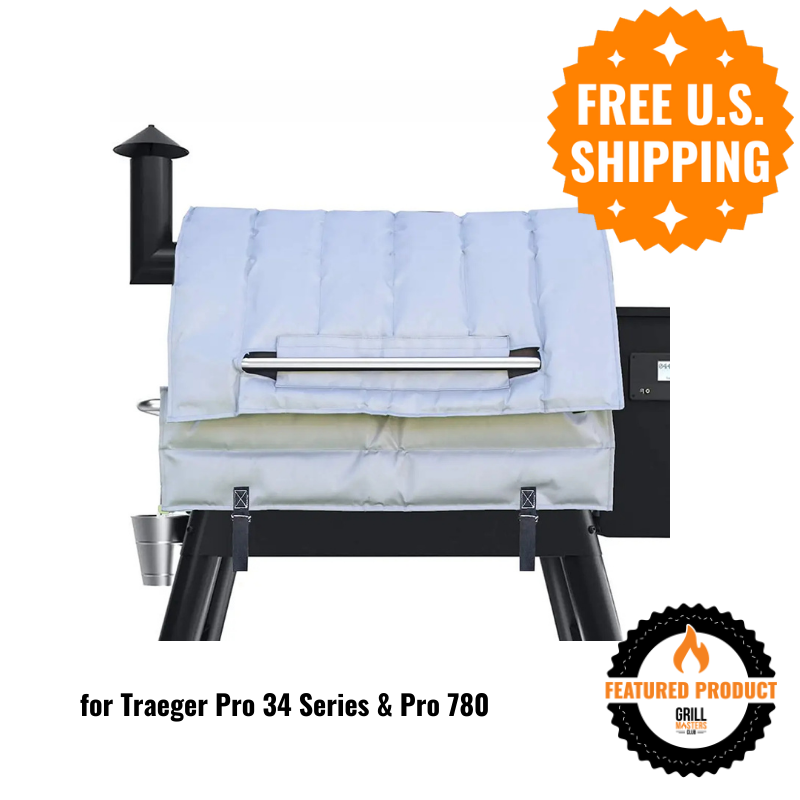
Traeger Grills Pro Series Insulation Blanket
$89
3,100+ reviews
Fiberglass insulation wrap cuts pellet consumption by up to 20% in cold weather and helps the grill hold target temperature without working overtime.
Shop on Amazon →3.Best Portable Heater to Keep the Cook Comfortable
Standing at a grill for two hours when it is 30 degrees out is miserable without a heat source nearby. A good portable heater changes the whole dynamic. The Mr. Heater Big Buddy runs on two 1-pound propane canisters or connects to a larger tank via hose, and it puts out up to 18,000 BTU. That is enough to make a 10x10 space genuinely comfortable.
The key advantage over a tower heater is portability. You can position it right next to your grill station, point it at yourself, and move it as you rotate around the cooker. It has an oxygen depletion sensor and auto-shutoff, which matters if you pull it into a covered space like a pergola or a garage with the door cracked.
The built-in fan is useful in lower temperatures, and the fold-down handle makes it easy to carry from storage to the patio. It runs about 3 hours on high with two 1-pound canisters, or much longer if you connect it to a 20-pound tank with an optional adapter hose.
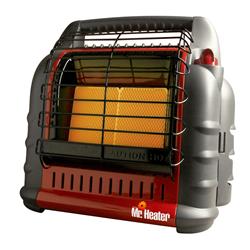
Mr. Heater F274800 MH18B Portable Propane Heater
$129
14,700+ reviews
18,000 BTU portable heater warms a 10x10 area and runs on small canisters or connects to a 20-pound tank for longer sessions beside the grill.
Shop on Amazon →4.Best Wind Guard for Protecting Grill Temperature
Wind is the real enemy of cold-weather grilling. A 15-mph gust can drop your grill surface temperature by 50 degrees in seconds, and once the heat escapes, it takes a while to recover. Positioning the grill near a fence or wall helps, but a dedicated wind guard gives you direct protection right at the cooking surface.
Broil King makes a solid stainless steel wind guard for their Baron and Signet series that sits at the rear edge of the cooking grate. It deflects wind before it can strip heat from the grates, and it doubles as a backsplash when you are cooking at high heat. The stainless construction handles repeated heating and cooling without warping.
If you do not have a Broil King, check your grill brand for a model-specific wind guard first. Universal options exist on Amazon but fit inconsistently. For charcoal grillers, three large cinder blocks stacked on the windward side of your kettle achieve the same result at zero cost.
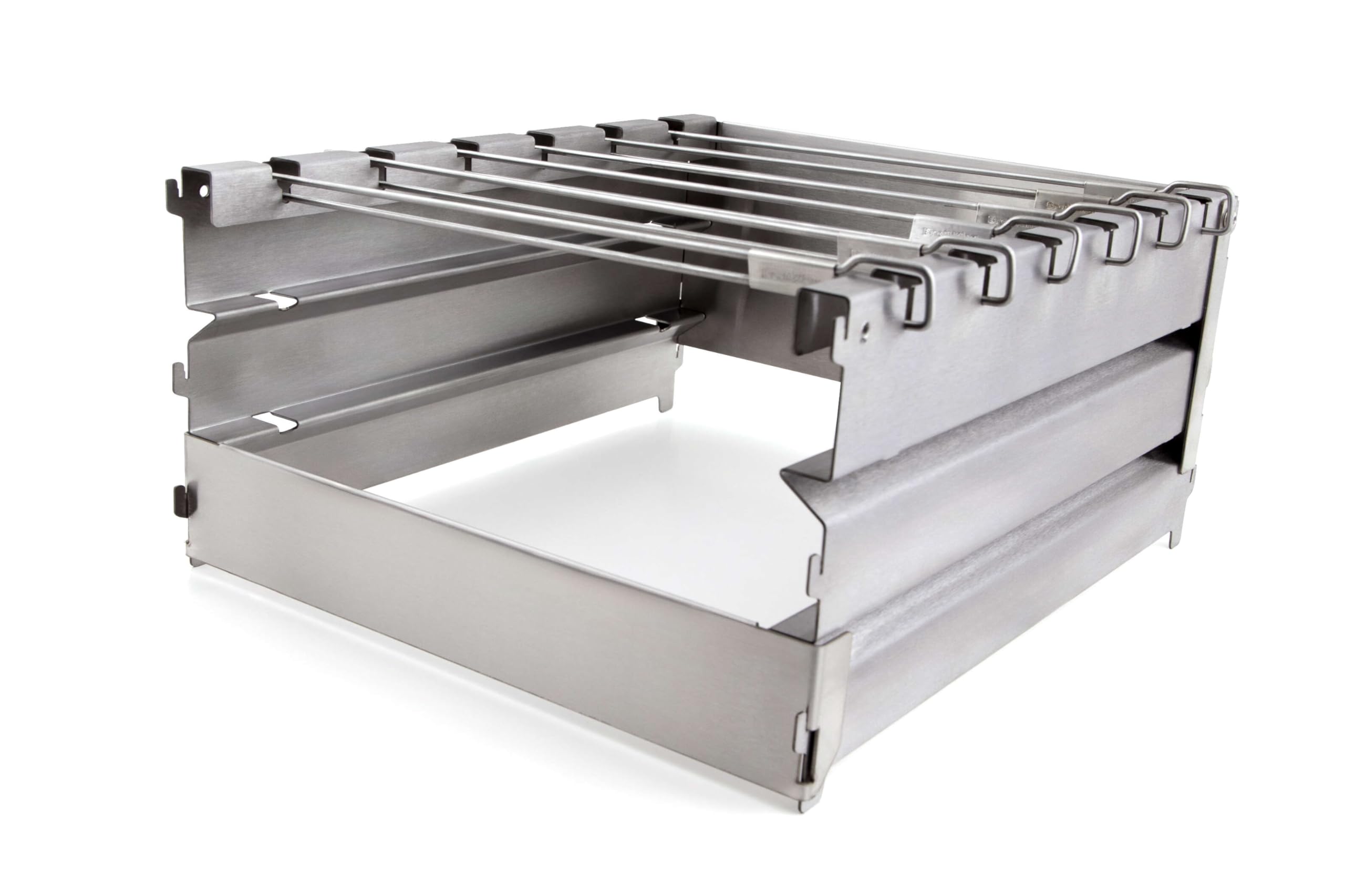
Broil King 69035 Stainless Steel Wind Guard
$65
890+ reviews
Stainless steel wind deflector mounts at the rear of the cooking surface to stabilize grill heat on windy and cold days.
Shop on Amazon →5.Best Chimney Starter for Fast Cold-Weather Charcoal Lighting
Cold air and damp conditions make charcoal take longer to light than it does in July. A good chimney starter skips the lighter fluid problem entirely and gets coals fully lit in 10 to 15 minutes regardless of temperature. The Weber Rapidfire is the standard for a reason.
It holds enough charcoal for a full kettle setup and has a conical grate at the bottom that creates a strong draft to move heat upward through the coals. The thermoplastic handle stays cool enough to grip without gloves even when the coals are fully lit. In cold weather, you can start a second chimney while the first one gets going if you need a heavy coal bed for a long cook.
At $30, this is the least glamorous purchase on this list and also the most useful one for charcoal grillers who cook year-round. The chimney approach is faster, cleaner, and more reliable in every condition than lighter fluid, and that gap widens in cold weather.
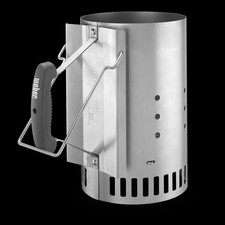
Weber 7429 Rapidfire Chimney Starter
$30
41,200+ reviews
Conical draft grate lights a full load of charcoal in 10-15 minutes with no lighter fluid, even in cold and damp conditions.
Shop on Amazon →Quick Tips for Cold-Weather Grilling
Preheat longer than you think. Plan for double the normal preheat time in cold weather. A gas grill that takes 10 minutes in summer may need 20 minutes to reach the same temperature at 35 degrees.
Keep the lid closed. Every time you open the lid you lose 50 or more degrees and it takes several minutes to recover. A wireless thermometer gives you a real reason to keep it shut.
Keep your propane tank warm. Propane loses pressure in cold temps. Store the tank in a garage or shed until right before you cook, and consider a tank insulator sleeve if you grill regularly below freezing.
Move the grill closer to the house. Not against the wall, but closer. This shortens your cold-air walk from the kitchen, gives you some wind protection from the structure, and keeps food warmer in transit.
Add 25 to 30 percent to your cook times. Cold air pulls heat from the grill body and the food itself. A roast that takes 90 minutes in July might take two hours in January. Use your thermometer as the final judge, not the clock.
Rest meat indoors. Bring your meat inside to rest. A warm kitchen supports the carry-over cooking process and prevents the food from cooling down before it hits the table.
You Might Also Love
Frequently Asked Questions
Can you use a gas grill when it is below freezing?
Yes, with adjustments. Propane starts to lose pressure around 32 degrees, so preheat time goes up and you may not reach your normal high-heat range. Keeping the tank warmer before use helps. A wind guard and longer preheat solve most of the remaining issues.
How do you keep a pellet grill at temperature in cold weather?
An insulation blanket is the most effective fix. It keeps heat inside the cook chamber so the auger does not run constantly. Also avoid opening the lid and position the grill out of direct wind. Expect higher pellet consumption regardless of what you do.
Is it safe to grill in the snow?
Yes, with common sense. Keep the grill at least 3 feet from anything flammable, clear snow from around the base so melt water does not get into the burner area, and make sure the lid is clear before lighting. A propane grill in snow is fine as long as you follow normal clearance rules.
What meats grill well in cold weather?
Cuts that benefit from longer cooks do well because you are already planning for extra time. Pork shoulder, whole chickens, and thick ribeyes are good choices. Thinner cuts cool fast once they come off the grill, so plan to serve them immediately or rest them inside.
How do I stay warm while grilling in the cold?
A portable propane heater placed beside your grill station makes the biggest difference. Layer up with a windproof outer shell, keep a hot drink nearby, and position the grill near a fence or wall to block wind on at least one side.