How to Create a Shade Garden Around Your Patio
A west-facing patio in July is its own kind of misery. The furniture bakes, the pavers radiate heat back up at you, and there is nowhere to hide. A shade garden fixes that, and it does not require tearing up your yard or hiring anyone.
The approach here works for any setup, including decks where you cannot plant in the ground. Container-based shade gardens using raised beds and large planters can drop the ambient temperature on a patio by several degrees, block sightlines from neighbors, and turn a blank concrete slab into something that actually looks intentional.
This guide walks through five specific products that make building a shade garden practical, with plant recommendations for each setup so you know exactly what to bring home from the nursery.
Best Elevated Raised Bed for a Deck Shade Garden
If your patio is a deck with no soil underneath, an elevated raised bed is the right starting point. The Keter Easy Grow Raised Garden Bed sits on four legs and holds about 31 gallons of soil, which is enough for two or three established shrubs or a dense mix of hostas, astilbe, and bleeding heart. It fits neatly on a 10x10 deck without crowding your seating area.
The polypropylene resin construction handles rain and humidity without rotting, warping, or needing to be sealed every spring. A built-in drainage system at the bottom means you are not drowning your roots after a downpour. Fill it with a shade-specific potting mix, drop in a Japanese forest grass and a couple of heuchera, and you have instant color and texture without digging a single hole.
Keter's woodgrain texture reads as furniture rather than a plastic garden bin, which matters on a deck where everything is close together and visible. For the price, it punches well above what most resin containers offer in terms of finish and stability.
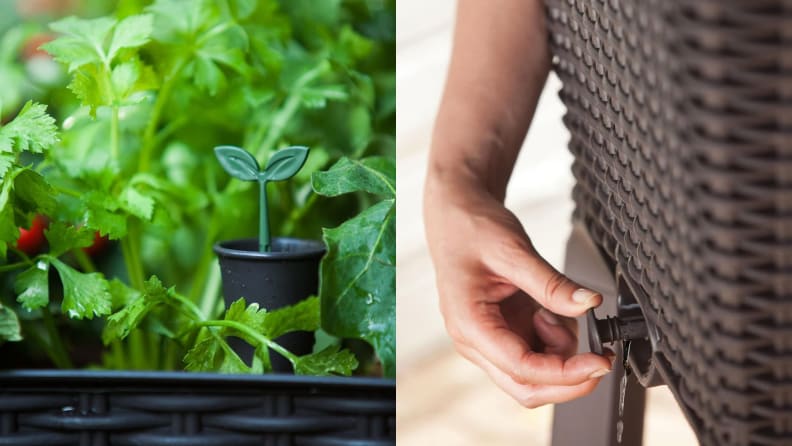
Keter Easy Grow 31.7 Gallon Raised Garden Bed with Legs
$89
8,400+ reviews
Sturdy resin raised bed with built-in drainage and woodgrain finish, built for decks and patios without in-ground access.
Shop on Amazon →Best Self-Watering Planter for Shade Perennials
Shade plants are often moisture-lovers, and nothing kills hostas faster than forgetting to water during a hot week. The Crescent Garden TruDrop 16-inch Round Planter has a built-in reservoir at the base that holds enough water to keep roots hydrated for several days between waterings. That buffer is a genuine lifesaver if you travel or just get busy.
At 16 inches, it has enough volume for a single large hosta, a caladium, or a cluster of ferns that will spread and fill in nicely over a season. The TruDrop system wicks moisture upward from the reservoir rather than sitting roots in standing water, so you get consistent moisture without rot.
These planters work well in pairs or sets of three flanking a seating area or lined along a fence. Three of them planted with different-height hostas and trailing sweet potato vines will visually frame your patio and bring the temperature down noticeably on a sunny afternoon.
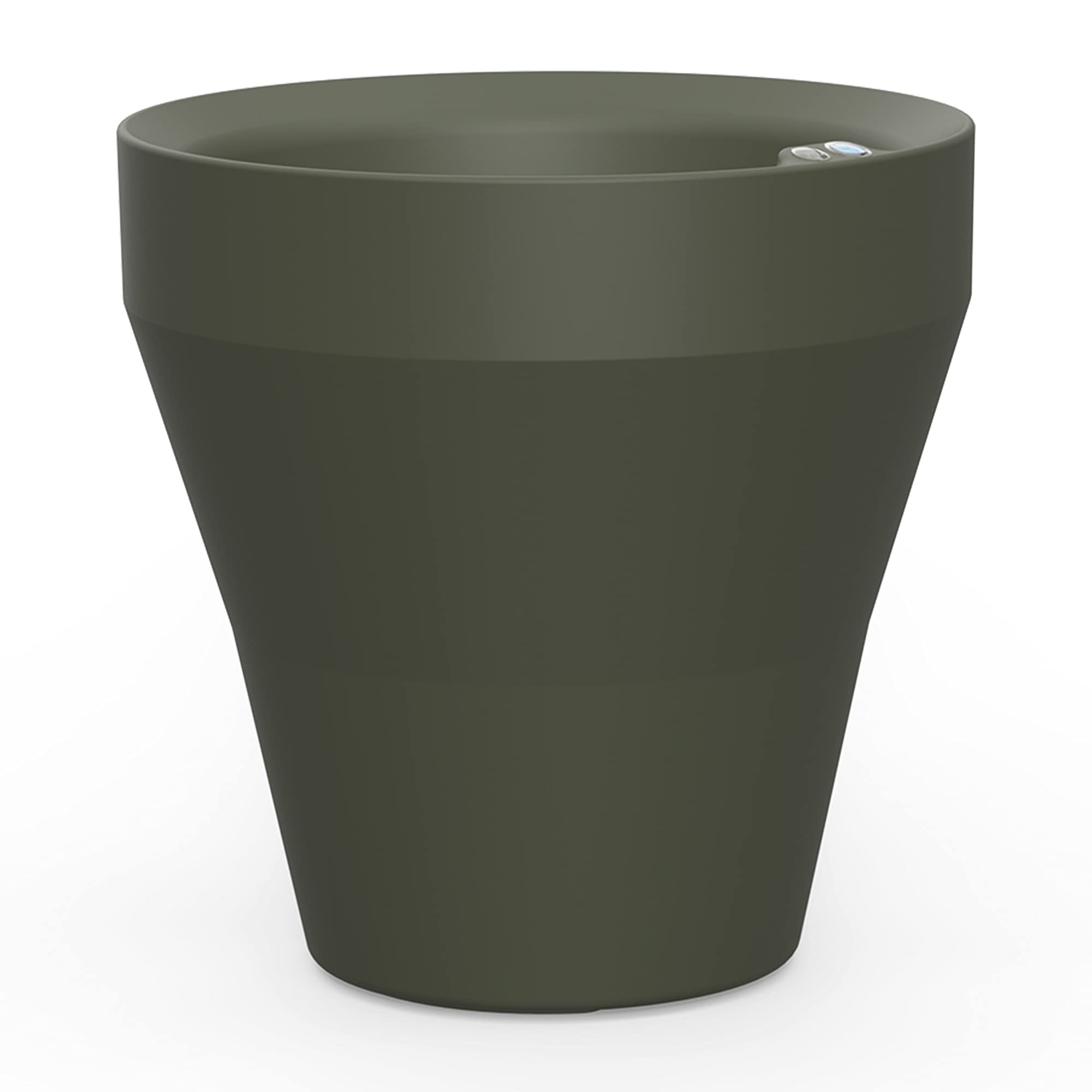
Crescent Garden TruDrop 16-Inch Round Self-Watering Planter
$65
3,200+ reviews
Self-watering reservoir planter that keeps shade perennials hydrated for days without leaving roots in standing water.
Shop on Amazon →Best Large Planter for a Living Privacy Screen
A 48-inch rectangular planter filled with tall ornamental grasses or dwarf clumping bamboo becomes a legitimate privacy screen by midsummer. The Veradek Metallic Series Long Box Planter in that size gives you a powder-coated steel container that looks architectural next to a modern fence or along the edge of a concrete patio.
Plant it with Karl Foerster feather reed grass, which reaches five to six feet tall by late summer and does not need full sun to thrive. Add a low caladium at the base for color, and you get vertical interest, seasonal movement, and a green wall that blocks the neighbor's sightline from across the yard.
The Veradek planter costs more than a plastic alternative, but steel at this size holds up where lighter containers warp or fade after a few seasons. The drainage holes are pre-drilled, and the interior depth gives deep-rooted ornamental grasses the room they need to establish properly.
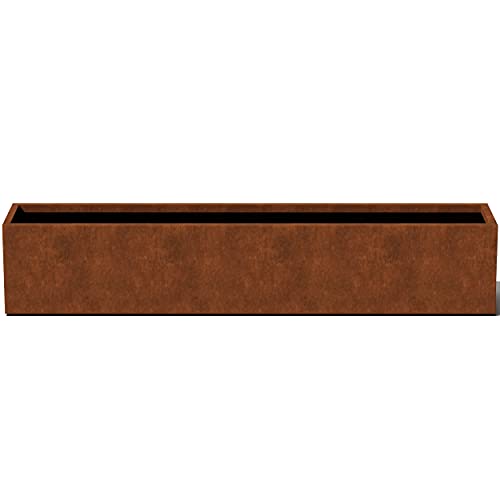
Veradek Metallic Series Long Box Planter 48-Inch
$159
1,800+ reviews
Powder-coated steel planter built for tall ornamental grasses and privacy screening along patio and deck edges.
Shop on Amazon →Best Fabric Raised Bed for Spreading Shade Plants
Ornamental grasses and spreading ground covers need real root room, and the Smart Pots Big Bag Bed in the 4x4 configuration delivers four square feet of planting area in a lightweight, breathable format. The fabric construction promotes healthy roots by allowing air pruning at the edges, which prevents circling roots that eventually choke the plant.
This is a great option for a corner of a deck or patio where you want a naturalistic cluster rather than a formal planter look. Fill it with a mix of Japanese hakonechloa grass, coral bells, and toad lily, and the result reads more like a garden bed than a container garden.
The fabric handles moisture better than rigid plastic in both directions. It drains fast enough that roots do not sit in water after rain, but retains enough moisture between waterings that shade plants stay comfortable. Fold it flat for storage in fall, or leave it out through a mild winter with no damage.
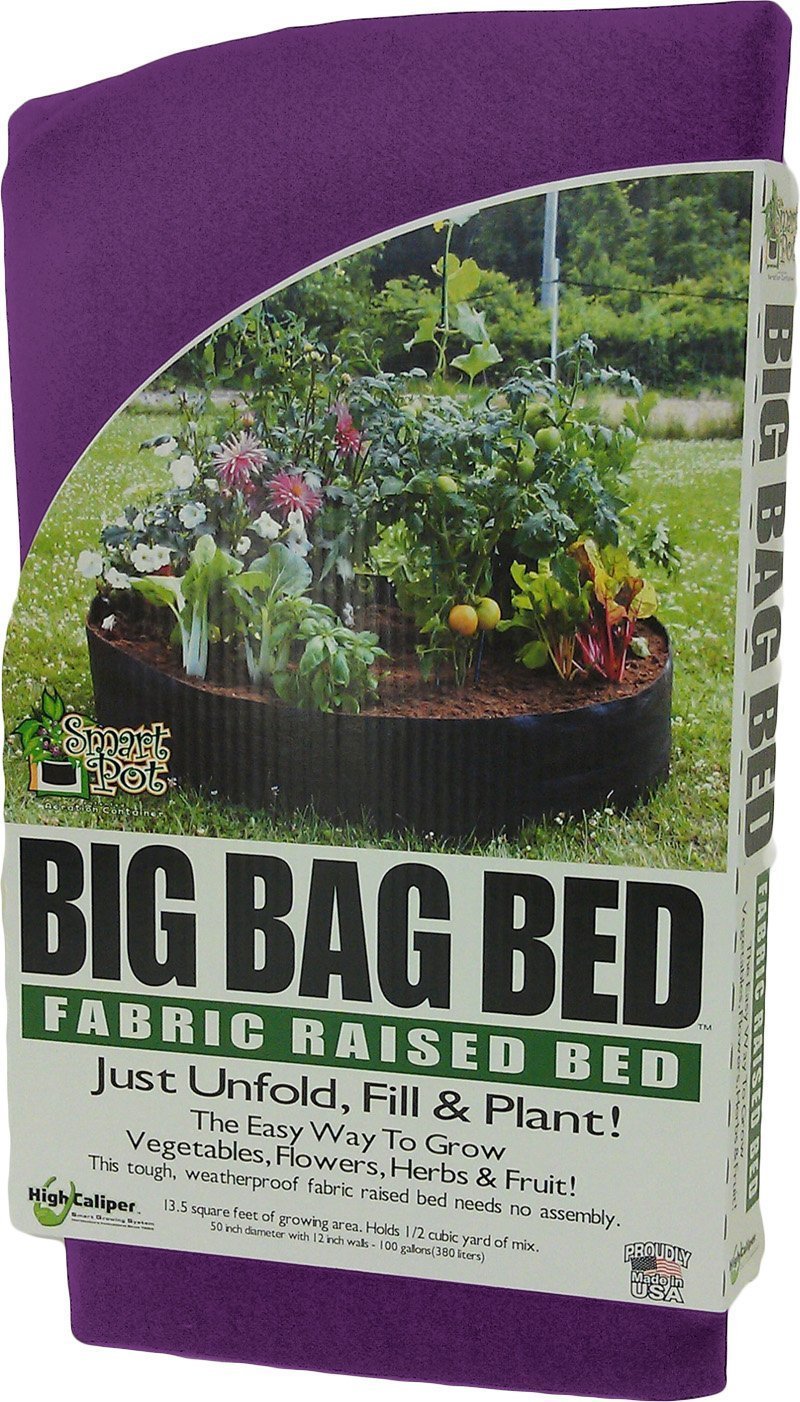
Smart Pots Big Bag Bed 4x4 Fabric Raised Garden Bed
$29
12,500+ reviews
Breathable fabric raised bed that promotes strong roots and drains better than any rigid plastic equivalent at this price.
Shop on Amazon →Best Railing Planter for Trailing Ferns and Vines
A deck railing is wasted real estate in most shade gardens. The Lechuza Balconera Color 50 clamps directly onto a standard railing and holds a self-watering reservoir beneath the planting tray, making it low-maintenance even in spots that are hard to reach with a watering can.
This planter runs about 20 inches long and is sized for trailing plants that spill downward, like Boston fern, creeping Jenny, or English ivy. Two or three of these spaced along a railing add a hanging-garden effect that softens the hard edges of a deck and fills in the visual gap between floor-level planters and eye height.
The reservoir holds enough water to last three to four days in moderate heat, which matters because railing planters dry out faster than ground-level containers. The color selection is wide enough to match most deck aesthetics, from charcoal to warm terra cotta.
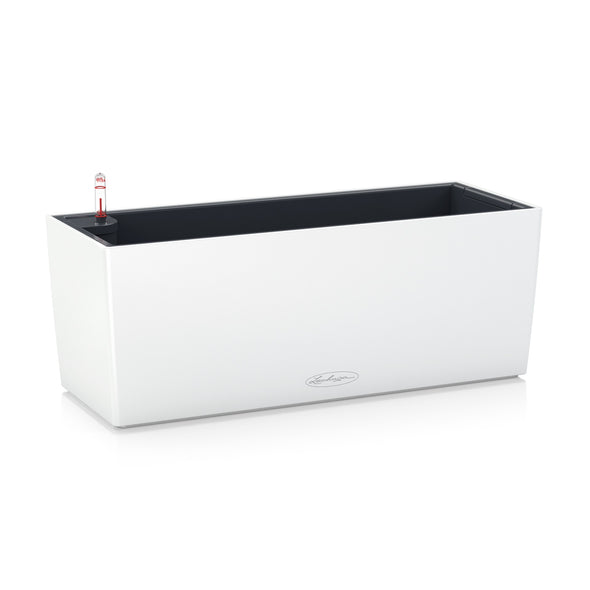
Lechuza Balconera Color 50 Self-Watering Balcony Planter
$82
2,100+ reviews
Railing-mounted self-watering planter designed for trailing shade plants, with a reservoir that reduces watering to every few days.
Shop on Amazon →Quick Tips for Building a Shade Garden on Your Patio
- Map your light before buying plants. North-facing patios get full shade all day. East-facing spaces get morning sun and afternoon shade. That difference separates which plants thrive from which ones struggle, so spend a day observing before you buy anything.
- Use a shade-specific potting mix. Standard garden soil compacts in containers and suffocates roots. A mix labeled for containers or shade gardens has more perlite and peat, which holds moisture without staying waterlogged.
- Vary heights intentionally. A shade garden with only low plants looks flat. Combine something tall like Karl Foerster grass or a dwarf Japanese maple, mid-height hostas or heuchera, and low ground covers like creeping Jenny to build real visual depth.
- Group containers to raise humidity. Shade plants like ferns and caladiums prefer humid conditions. Clustering planters together raises the ambient humidity around the foliage slightly, which helps during dry stretches or in arid climates.
- Feed container plants on a schedule. Containers run out of nutrients faster than in-ground beds. Use a balanced slow-release fertilizer at planting time, then a diluted liquid fertilizer every three to four weeks through the growing season.
- Mulch the top of large containers. An inch of fine bark mulch on the surface of big planters reduces moisture loss, keeps roots cooler in summer heat, and looks more finished than bare potting mix.
Frequently Asked Questions
What shade plants work best in containers on a patio?
Hostas, heuchera, astilbe, ferns, caladiums, and Japanese forest grass all do well in containers. For height and privacy, Karl Foerster feather reed grass and clumping dwarf bamboo varieties work in large planters with adequate root depth.
Can a shade garden actually make a patio cooler?
Yes, noticeably. Dense foliage around and above a patio reduces direct solar heat gain on surfaces and creates a microclimate with higher humidity and lower radiant heat. The effect is most dramatic on west-facing patios that absorb afternoon sun.
How much potting mix do I need for a deck container garden?
A 30-gallon raised bed uses about 4 cubic feet of potting mix. Buy by the cubic foot at a garden center rather than in small bags, which gets expensive quickly. One 2-cubic-foot bag runs about $12 to $15 at most garden centers.
Do shade gardens need less watering than sunny gardens?
Containers in shade still need regular watering but less frequently than sunny containers. Check soil moisture two inches down before watering. Self-watering planters with reservoirs reduce the workload significantly and lower the chance of drought stress.
Can I build a shade garden on a small balcony?
A 6x8 balcony can support a railing planter system, two medium containers, and a compact fabric raised bed. Focus on vertical interest with railing planters and one tall specimen plant to maximize impact without eating up the floor space you need for a chair.