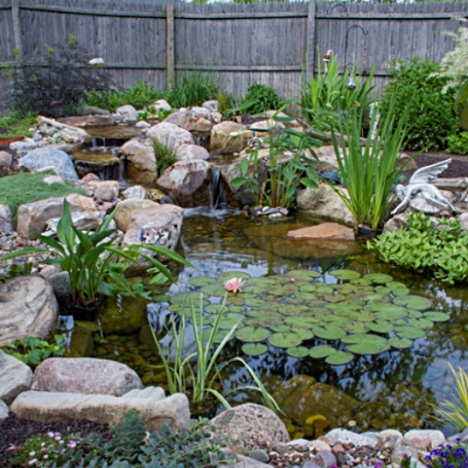
How to Build a DIY Backyard Pond or Water Garden
A backyard pond will do more for your outdoor space than almost any other weekend project. The sound of moving water carries across a patio, goldfish are surprisingly low-maintenance, and the whole thing can be done for less than a set of patio chairs.
You have two main routes: dig a hole and line it with flexible EPDM rubber, or skip the shovel entirely and use a decorative container. Both look intentional and finished within a single weekend, and neither requires any special skills beyond basic digging and a willingness to get wet.
This guide walks through the five things you actually need to buy, plus the tips that keep a first-time pond from turning into a green swamp by August.
Best Flexible Liner for a Custom In-Ground Pond
If you want a natural, kidney-shaped pond that looks like it grew out of the ground, flexible EPDM rubber liner is the material to use. Firestone makes the same 45-mil EPDM rubber used in commercial roofing and large water features, and their PondGard liner is what you will find recommended on every serious pond forum. A 10x10 sheet gives you enough material for a pond that is roughly 4 feet across and 18 inches deep once you account for the overlap folded up the sides.
Dig your hole with shelves. A shallow shelf around the perimeter, about 10 inches deep, holds potted marginal plants, and the deeper center section gives fish a place to stay cool when the surface heats up in July. Lay an old carpet scrap or two inches of sand in the bottom before the liner goes in to protect it from sharp rocks underneath. The Firestone liner is fish-safe, UV-stabilized, and will outlast most other pond materials by a significant margin.
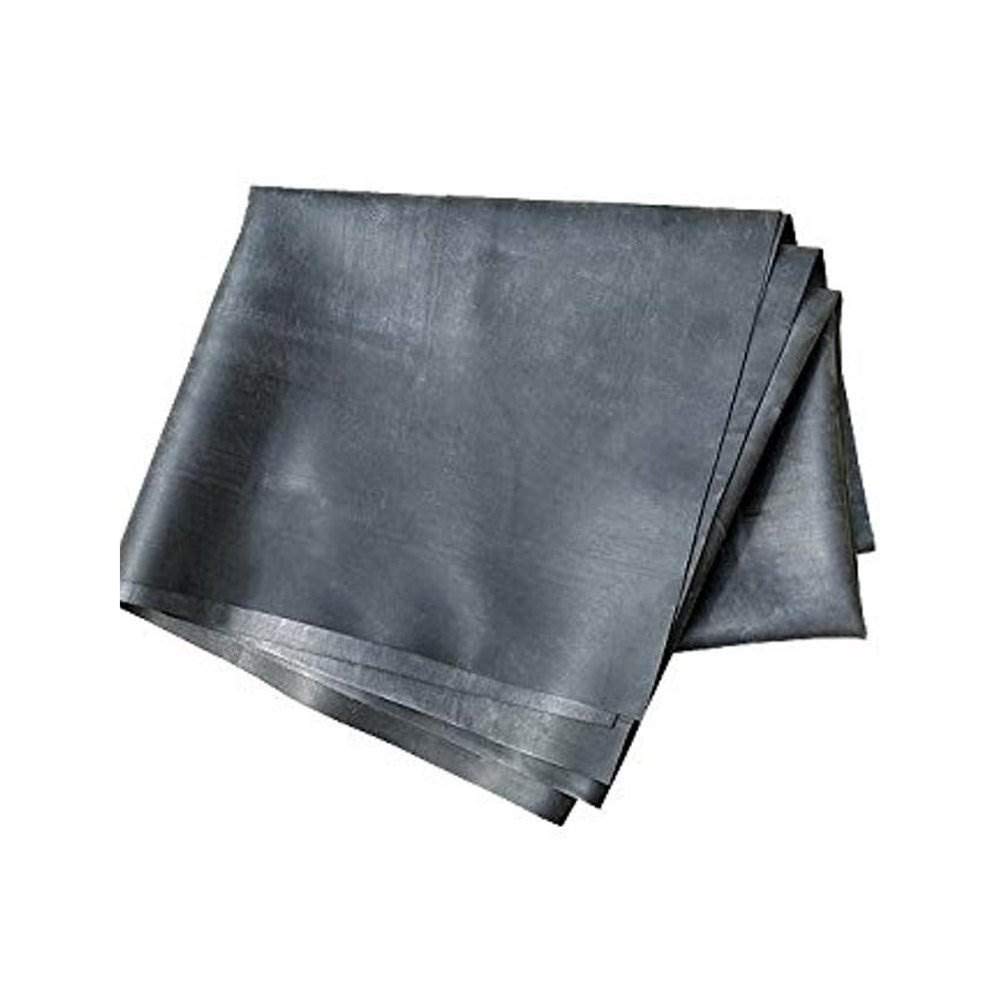
Firestone PondGard EPDM Rubber Pond Liner, 10 x 10 ft
$52
3,200+ reviews
Fish-safe 45-mil EPDM rubber that conforms to any custom shape, resists UV degradation, and holds up far longer than cheaper PVC alternatives.
Shop on Amazon →Best No-Dig Option for a Container Water Garden
Not everyone wants to spend a Saturday afternoon with a shovel. The Laguna Patio Pond is a thick-walled, frost-resistant resin tub designed specifically for above-ground water gardens. The 24-inch round version holds about 25 gallons, which is enough for a small pump, two or three aquatic plants, and a few feeder goldfish if you want them. From a few feet away it reads like a low stone basin.
Place it on any flat surface: a patio corner, along a fence line, or centered on a deck. The Laguna tub has a drain plug at the base, which is a detail cheaper alternatives skip and one you will appreciate the first time you need to do a water change. Fill it, add a small pump, drop in some floating plants to suppress algae, and you have a functioning water garden in about an hour.
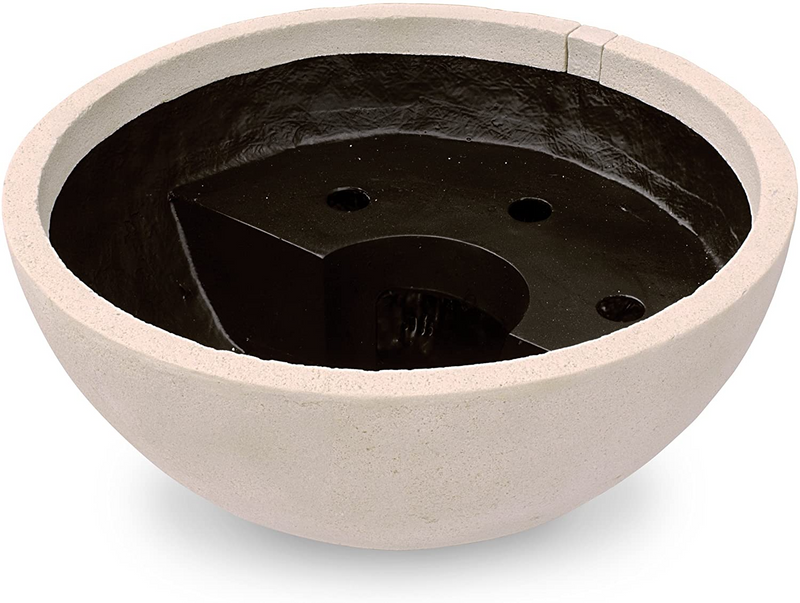
Laguna Patio Pond 24-Inch Round Water Garden Container
$98
1,900+ reviews
Frost-resistant resin container with a built-in drain plug, designed to work as a complete above-ground water garden on any patio or deck.
Shop on Amazon →Best Pump and Filter Kit for a Small Backyard Pond
Moving water is what keeps a pond from going stagnant and smelling like a problem. For a pond under 250 gallons, the TotalPond Complete Pond Kit covers everything in one box: a submersible pump rated at 270 GPH, a mechanical and biological filter, and an LED light. The filter media handles green water without constant chemical dosing, which matters a lot during the first month when the pond is still finding its balance.
Install the pump in the deepest part of the pond and run the outlet tube up to a small fountain head or over a rock stack at the edge for a natural waterfall effect. A pump that turns the total water volume over at least once per hour is the baseline for clear water. For a 100-gallon pond that means a pump rated for at least 100 GPH, and going bigger almost always improves clarity without adding much cost.
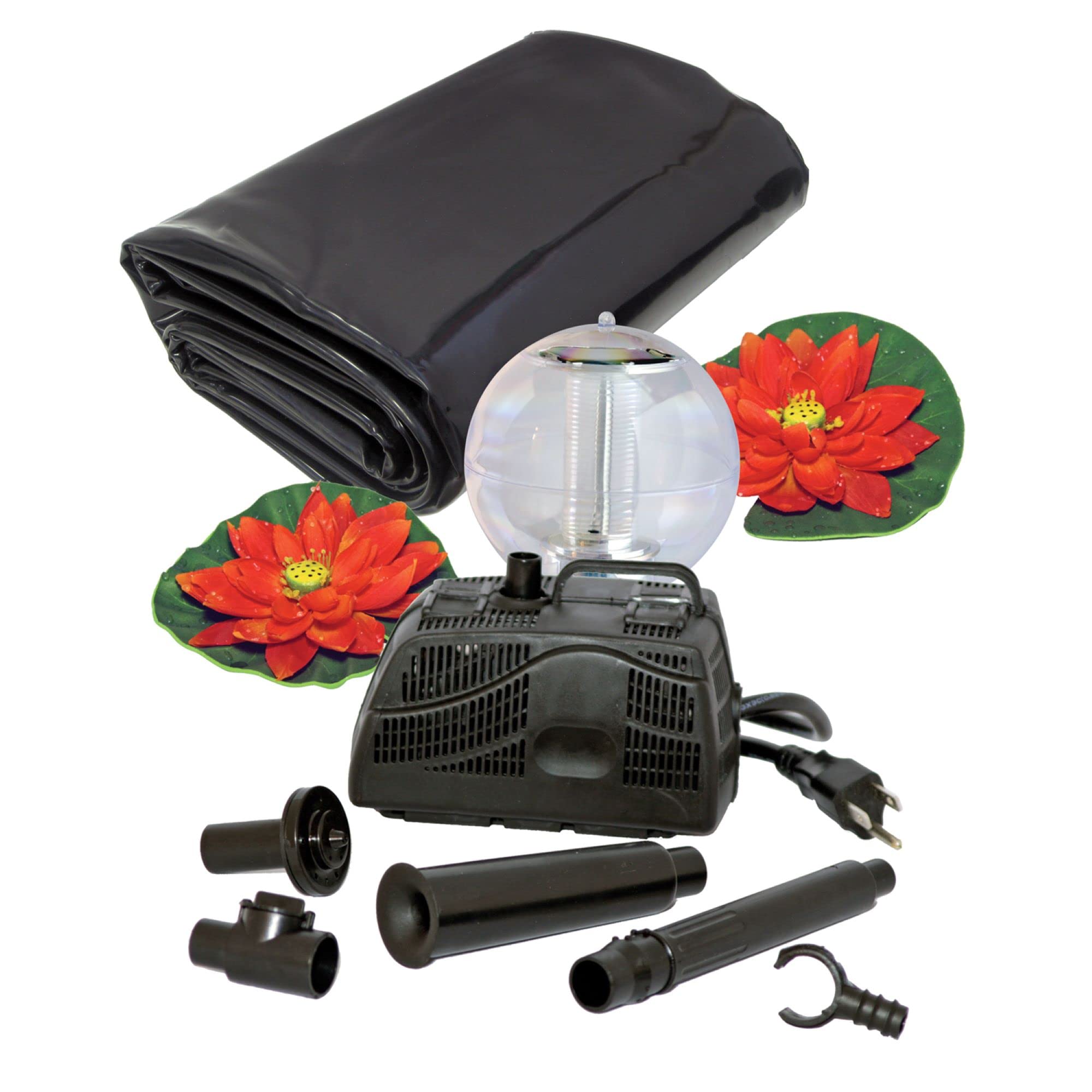
TotalPond Complete Pond Kit with LED, 270 GPH
$68
4,600+ reviews
All-in-one pump, mechanical filter, biological filter, and LED light for ponds up to 250 gallons, with no separate parts to source or piece together.
Shop on Amazon →Best Aquatic Plants to Get Your Pond Started
Aquatic plants do two jobs at once: they make the pond look good and they compete with algae for nutrients, which is the single biggest thing you can do to keep water clear. Hornwort is the plant to start with. Aquatic Arts sells live hornwort bunches that arrive healthy and immediately begin oxygenating. For a 4x4 foot in-ground pond, three bunches will cover much of the floor and give fish somewhere to hide, which keeps them calmer and healthier.
Add one or two floating plants on top, water hyacinth or water lettuce work well and are available at most garden centers in summer. Once hornwort establishes over four to six weeks, algae becomes much less of an ongoing fight. Avoid planting anything directly in soil at the pond bottom. Use fabric pond baskets filled with aquatic planting media so you can lift, divide, and trim plants without disturbing the liner or pump.
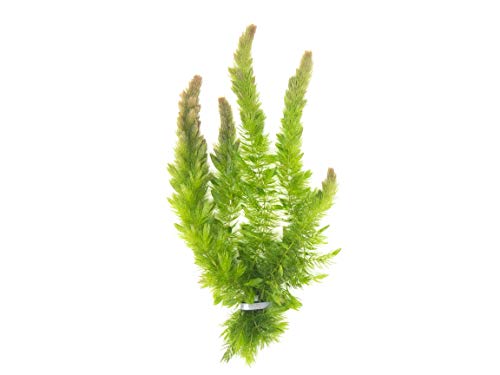
Aquatic Arts Live Hornwort Ceratophyllum Demersum, 3 Bunches
$13
6,800+ reviews
Fast-growing native oxygenator that outcompetes algae, gives fish cover, and arrives as established live plants ready to drop straight into any pond.
Shop on Amazon →Best Stone for Edging and Finishing the Look
The difference between a pond that looks finished and one that looks like a hole in the yard is almost always the edging. Smooth river rock layered around the perimeter covers the exposed liner edge, anchors it in place, and blends the water feature into the landscape. For a small in-ground pond, two or three 10-pound bags of Midwest Hearth river rock will give you a solid single-layer border plus a handful of rocks placed just inside the water line for a natural transition.
Stack larger flat stones on the shelved edges to create a natural ledge, and use smaller pebbles to fill the gaps so the liner does not show through. If you are working with a container pond, pile a few rocks in one corner to create a shallow ramp. It gives frogs and small critters a way to climb in and out safely, and it looks deliberate rather than accidental.
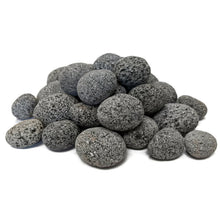
Midwest Hearth Natural Decorative River Rock Stones, 10 lbs
$34
2,100+ reviews
Smooth hand-selected river stones in mixed natural tones, sized right for pond edging, covering liner borders, and creating a naturalistic shoreline.
Shop on Amazon →Quick Tips for First-Time Pond Builders
- Size up your liner generously. Add twice the pond depth to both the length and width when calculating liner size. A pond that is 4 feet wide and 18 inches deep needs a liner at least 7 feet wide to fold up the sides properly.
- Start with feeder goldfish, not koi. Koi need much larger, deeper ponds and produce significantly more waste than a small DIY setup can handle. Feeder goldfish cost under a dollar each and thrive in ponds under 200 gallons.
- Partial shade beats full sun. A pond in direct sun all day will fight algae constantly. Two to four hours of direct light is ideal for most water plants, and shade keeps the water temperature from spiking in midsummer.
- Dechlorinate before adding fish. Let the pump run for 24 to 48 hours after filling, then add a water conditioner before introducing any fish or live plants. Tap chlorine kills beneficial bacteria and stresses fish.
- Plan ahead for freezing winters. In cold climates, ponds need to be at least 18 to 24 inches deep so fish can overwinter below the freeze line. A small pond de-icer keeps a hole open in surface ice for gas exchange.
Frequently Asked Questions
How deep does a backyard pond need to be?
For a decorative pond without fish, 12 inches is plenty. To keep goldfish year-round in a cold climate, aim for 18 to 24 inches so the bottom stays above freezing. Koi need 3 feet or more.
How do I keep pond water clear without chemicals?
Moving water, a biological filter, and enough aquatic plants are your main tools. A pump that circulates the full pond volume at least once per hour, combined with a few hornwort bunches, handles most algae without any chemical intervention.
Can I build a container pond on a deck?
Yes, with a container like the Laguna Patio Pond. A 25-gallon tub full of water weighs roughly 210 pounds, so confirm your deck rating before placing it. Use a wide, flat base to distribute the load across more boards.
How long does a new pond take to cycle?
Expect four to six weeks for beneficial bacteria to colonize the filter media and stabilize the nitrogen cycle. Water may turn green or cloudy during this period, which is normal. Do not add fish until ammonia and nitrite both test at zero.