How to Create an Outdoor Living Room (Step-by-Step Guide)
An outdoor living room isn't just a patio with furniture on it. It's a space that feels intentional — layered, comfortable, and worth spending a whole evening in. The good news is you don't need a designer or a huge budget. You just need to build it in the right order. Here's how, step by step.
Step 1: Define Your Space
An outdoor living room needs boundaries — something that tells your brain "this is a room." Without them, furniture just looks like it was dropped on a patio.
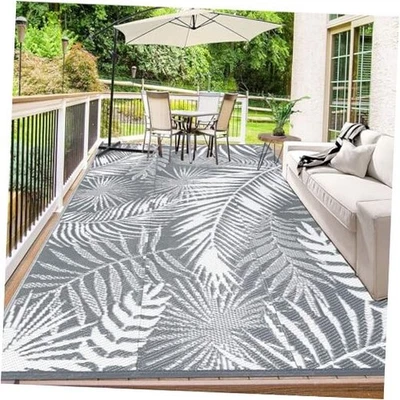
The easiest way to define your space is with a large outdoor rug. A 9x12 rug anchors seating and instantly creates a "floor." Beyond rugs, consider tall planters as walls, a pergola as a ceiling, string lights as a canopy, or even a change in ground material — stepping from lawn onto gravel or pavers signals you've entered a different zone.
Step 2: Choose Your Seating
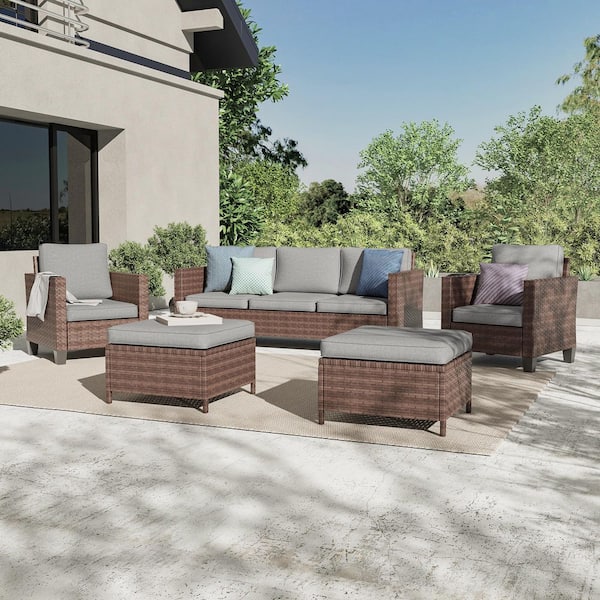
Seating is the backbone of an outdoor living room. Think about how you actually use the space: conversation (facing each other), lounging (deep seats, recliners), or flexibility (modular pieces you can rearrange).
The most common mistake is pushing furniture to the edges. Pull it toward the center of your defined space — just like you would indoors. A conversation set with seats facing each other across a coffee table or fire pit is the gold standard layout.
Step 3: Add Layers
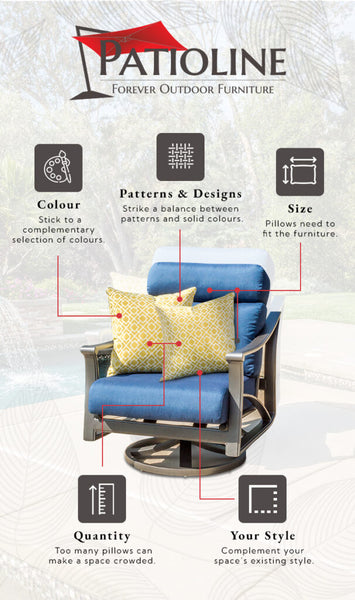
Layers are what separate a "patio with chairs" from a living room. Think throw pillows in weather-resistant fabrics, an outdoor blanket draped over a chair back, a side table for drinks, and plants at multiple heights — low pots on the ground, medium planters on tables, and tall specimens framing the space.
You don't need to buy everything at once. Start with pillows and a side table, then add a blanket and plants over the next few weeks. The space will come together naturally.
Step 4: Lighting
Lighting is probably the single biggest upgrade you can make to an outdoor space. The right lighting makes your patio usable after dark and creates instant atmosphere.
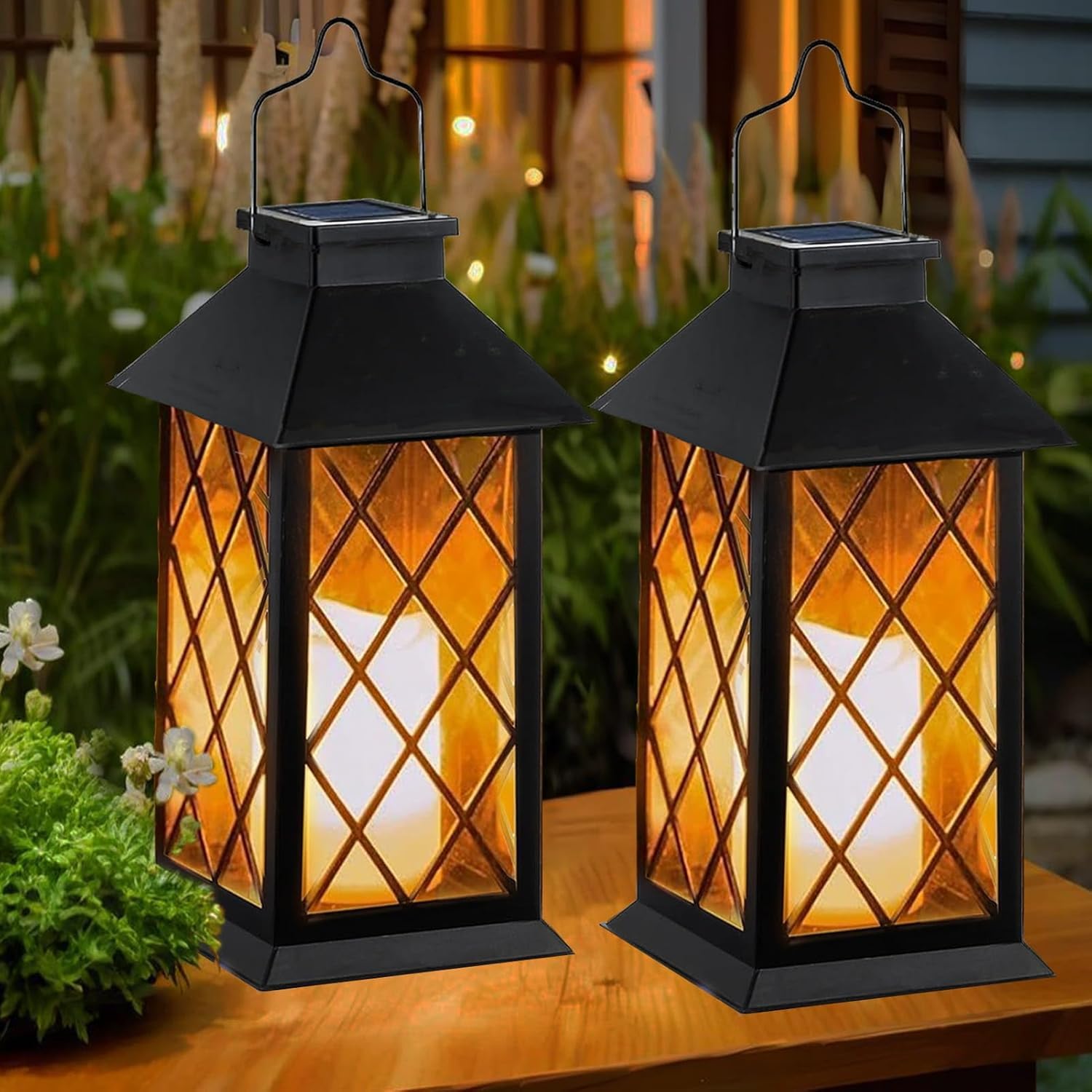
Layer your lighting just like indoors. String lights overhead provide ambient glow — the warm Edison-bulb style at about 8 feet high is the sweet spot. Add table lanterns (solar powered ones are maintenance-free) for task lighting and a soft floor lamp or pathway lights for ground-level warmth. Skip the floodlights — they kill the mood and attract every bug in the neighborhood.
Step 5: Add a Focal Point
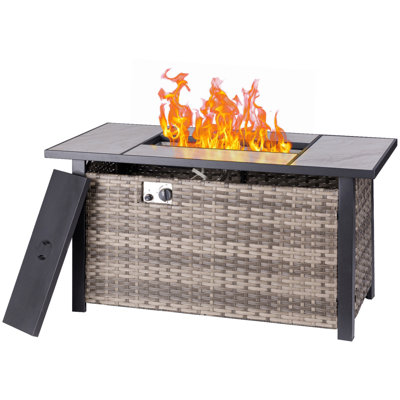
Every room needs something that draws the eye — the thing people gravitate toward. In an outdoor living room, a fire pit is the natural choice. It provides warmth, light, and a reason to gather. A propane fire table is especially effective because it doubles as a coffee table.
No room for a fire pit? A water feature, a statement plant, or even a bold piece of outdoor art can serve the same purpose. The key is having one clear anchor that everything else is arranged around.
Step 6: Shade and Shelter
An outdoor living room that's only comfortable in perfect weather isn't much of a living room. Some form of shade or shelter extends your usable hours dramatically — from harsh afternoon sun to light rain.
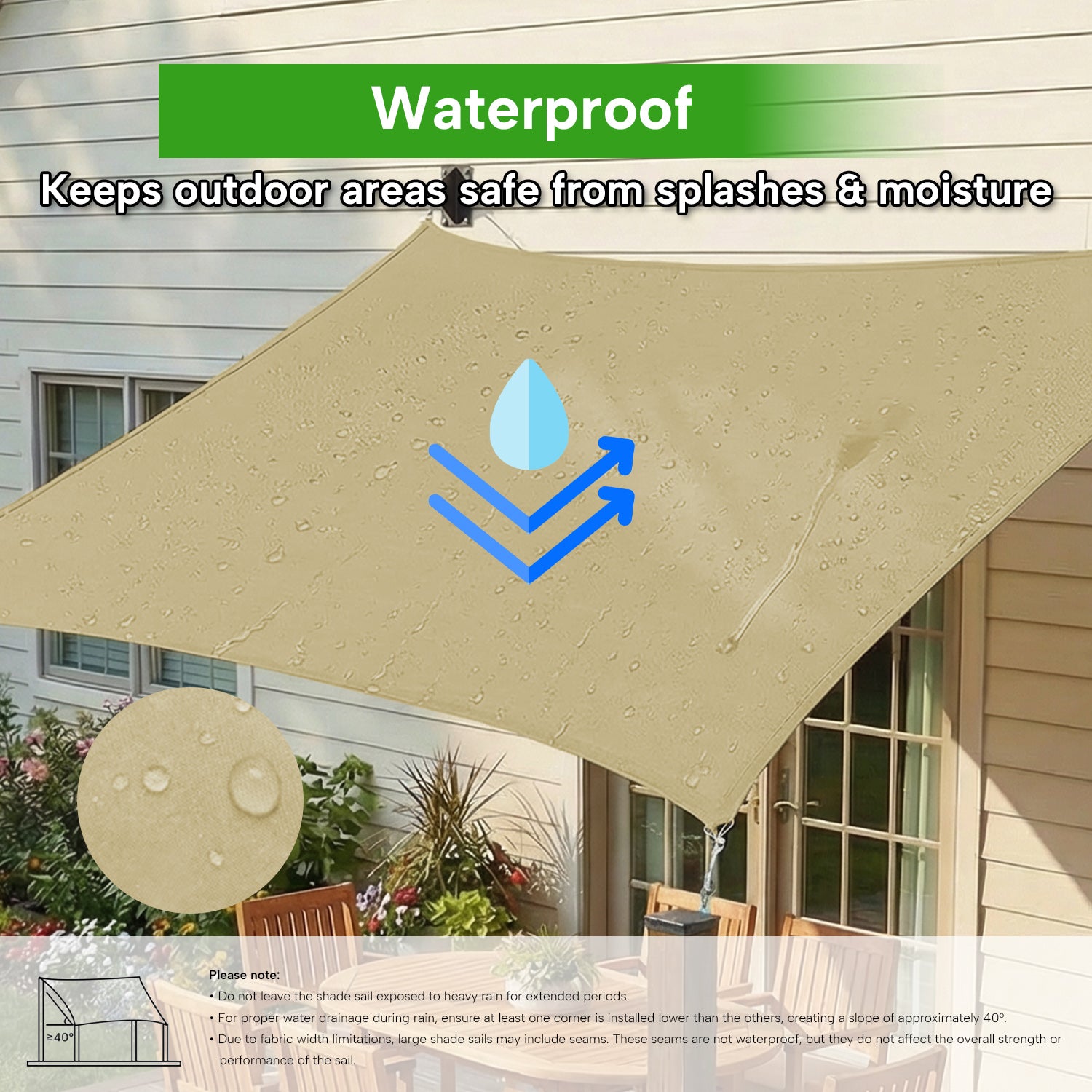
Options from simplest to most involved: a shade sail (cheap, easy to install, surprisingly effective), a market umbrella (instant shade, moves with the sun), a pergola (permanent structure, can support string lights and climbing plants), or a retractable awning (maximum flexibility, higher cost). Pick the one that matches your budget and how permanent you want the solution to be.
Budget Breakdown
| Item | Budget | Mid-Range |
|---|---|---|
| Outdoor Rug (9x12) | $60 | $180 |
| Conversation Set (4-piece) | $350 | $900 |
| Throw Pillows (4) | $40 | $100 |
| Lighting (string lights + lanterns) | $40 | $150 |
| Fire Pit / Focal Point | $100 | $450 |
| Shade (sail / umbrella) | $40 | $200 |
| Plants & Accessories | $60 | $200 |
| Total | $690 | $2,180 |
Common Mistakes to Avoid
Pushing everything against the walls. Outdoor furniture belongs in the center of your space, arranged for conversation — not lined up against the house like a waiting room.
Skipping the rug. Without a rug, there's nothing to anchor the furniture. It's the cheapest way to make a space feel intentional instead of random.
Forgetting about wind. Lightweight cushions, napkins, and tablecloths will blow away. Use ties, clips, or weighted accessories. Consider wind patterns when placing your shade structure.
Too much matching. A living room that looks like a catalog page feels sterile. Mix materials — wicker with metal, wood with fabric. Vary your pillow patterns. The goal is "collected over time," not "bought in one trip."
No storage plan. Cushions, pillows, and blankets need somewhere to go when it rains. A weatherproof deck box or a quick route indoors saves you from replacing everything every season.